
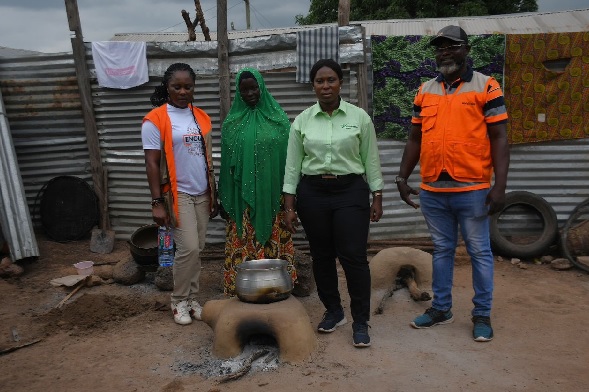
An initiative promoting energy-efficient cooking technology in Kakoshi, Lamsi and nearby communities in the East Gonja District of the Savannah Region is changing gari processing activities, with beneficiaries citing reduced smoke exposure and improved efficiency.
For years, women in the communities processed cassava into gari using traditional clay stoves and open-fire methods that exposed them to excessive smoke and harmful gases.
The practice posed health risks, contributed to deforestation and consumed considerable amounts of time and fuel wood.
However, the introduction of modern energy-efficient stoves through the Eco-Flame Project, a partnership between World Vision Ghana and Vivo Energy Ghana, is helping to transform gari processing in the area.
The initiative seeks to support Ghana’s climate adaptation efforts by promoting clean cooking solutions aimed at reducing indoor air pollution while supporting sustainable livelihoods for women.
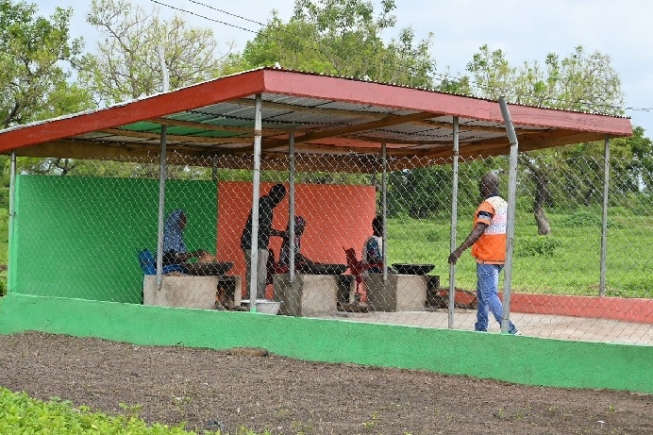
Under the project, more than 200 women have been trained to build, use and maintain the improved stoves, resulting in faster, cleaner and more efficient gari production, according to project organisers and beneficiaries.
One of the beneficiaries, Azara Tahiru, said the old methods exposed women to frequent sicknesses because of the heavy smoke produced during gari processing.
“Our old clay stoves used to give us a lot of sickness, but the modern stoves built by World Vision and Vivo Energy have brought a lot of relief, and we are grateful,” she said.
Residents in the beneficiary communities say cases of cough and eye irritation associated with smoke exposure have reduced since many households adopted the improved stoves.
The women also report reduced fuel wood consumption per gari roasting session, while roasting time has been cut significantly.
Financial benefits
Beyond the health-related benefits cited by users, the improved technology is also helping women increase productivity through improved gari quality and higher yields.
Project leaders explained that the initiative was also creating new economic opportunities for women, with some beneficiaries now training others in stove construction and establishing small businesses around the technology.
The Corporate Communication Manager of Vivo Energy Ghana, Shirley Tony Kum, during a visit to Kakoshi, stressed the need for sustainability, community ownership and the expansion of the project to other communities across the country.
She said the intervention formed part of efforts to support environmentally friendly practices while empowering women economically.
The Eco-Flame Project aligns with Ghana’s policies on gender equity, clean and affordable energy, health protection and environmental sustainability.
It also supports the Sustainable Development Goals, particularly Goals 3, 5, 7, 13 and 15, by linking clean energy technology with women’s empowerment, enterprise development and environmental stewardship.
