

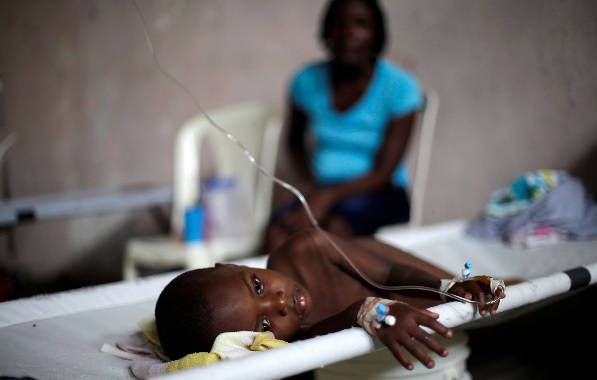
When floods hit communities, the immediate concerns are often destroyed property, displaced families and blocked roads.
However, another danger may remain even after the floodwaters recede: contaminated drinking water.
Heavy rains and flooding can increase the risk of waterborne diseases, including cholera and typhoid fever, particularly in communities with poor drainage and sanitation systems.
As floodwater moves through communities, it can mix with sewage, human waste from overflowing toilets and pit latrines, rubbish from drains and other contaminants.
This polluted water may then enter wells, household water containers and other sources of water used for drinking and cooking.
The danger is that contaminated water may not always look dirty. Water can appear clear and have no unusual smell or taste, but still contain harmful bacteria capable of causing illness.
Cholera risk
One of the major diseases associated with unsafe water is cholera, a bacterial infection that affects the small intestine.
Cholera is mainly spread when a person consumes food or water contaminated with the bacterium that causes the disease.
The illness can cause sudden and severe watery diarrhoea, vomiting and rapid loss of body fluids. In severe cases, a person can become dangerously dehydrated within a few hours.
While many cases may be mild or moderate, severe cholera requires urgent medical attention.
People should look out for sudden, frequent watery diarrhoea, vomiting, weakness, muscle cramps and signs of dehydration such as sunken eyes, dry mouth and reduced urination.
One important concern with cholera is the speed at which a patient can lose fluids. A person who appears relatively well at the beginning of the illness can become severely dehydrated within a short period.
For that reason, frequent diarrhoea during a period of flooding should not be ignored or treated casually.
Not every diarrheal illness is cholera
Although cholera is a major concern during periods of flooding, it is not the only disease associated with contaminated water and food.
Typhoid fever and dysentery can also be linked to poor sanitation and contaminated food or water.
The symptoms of these illnesses can differ. Cholera is commonly associated with sudden, profuse watery diarrhoea and rapid dehydration.
Typhoid fever may develop more gradually and can be accompanied by fever, headache, weakness and abdominal discomfort.
Bloody diarrhoea is also not a typical sign of cholera and may point to another infection.
We advise citizens not to diagnose themselves or take antibiotics without medical advice. Anyone experiencing persistent diarrhoea, vomiting, fever or other worrying symptoms should seek professional medical care.
Be careful with drinking water
During and after a flood, households should ensure that water meant for drinking and cooking is from a safe source.
Where the safety of water is uncertain, it should be properly treated before use. Boiling water is one of the practical ways of reducing the risk of infection. Water purification products may also be used according to the manufacturer's or health authorities' instructions.
Drinking water should be kept in clean and properly covered containers. People should avoid dipping dirty cups, hands or other objects into stored water because this can introduce germs.
Families that depend on wells or other water sources that have been affected by flooding should avoid using the water for drinking until it has been assessed or properly treated.
Care should also be taken when buying or handling food during periods of flooding. Meals should be properly cooked and eaten while hot.
Fruits and vegetables should be washed with safe water, while food exposed to floodwater should not be consumed.
Handwashing with soap and safe water remains an important way to prevent the spread of disease. Hands should be washed before cooking, before eating, after using the toilet and after cleaning a child who has passed stool.
When to seek medical attention
Oral Rehydration Salts (ORS) can help replace fluids and salts lost through diarrhoea, but severe dehydration requires urgent medical care.
A person with diarrhoea should be taken to a health facility immediately if he or she is unable to drink or keep fluids down because of persistent vomiting.
Other warning signs include extreme weakness, unconsciousness, sunken eyes, a very dry mouth, little or no urination, a rapid or weak pulse and severe muscle cramps.
Extra care should be taken when children and elderly people develop diarrhoea because they may become dehydrated quickly.
ORS should be prepared exactly as directed and mixed with safe water. Using contaminated water to prepare ORS can expose the sick person to further infection.
