


Recurring floods have become one of Ghana's most pressing urban development challenges, leaving behind a trail of destroyed homes, disrupted businesses, damaged infrastructure, and tragic loss of lives each rainy season. As communities continue to count the cost of these disasters, experts are renewing calls for a fundamental rethink of urban planning, housing development, and environmental management to safeguard the country's future.
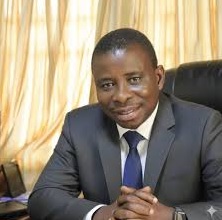
For the Chief Executive Officer of Koans Estate, Mr. Kofi Anokye, Ghana's flood crisis is not simply the consequence of heavy rainfall but the cumulative result of years of poor planning, weak enforcement of development regulations, and unsustainable land use practices. In an interview, he stressed that the nation possesses the knowledge and capacity to reduce flood risks if the necessary political will and institutional commitment are demonstrated.
According to Mr. Anokye, inadequate and poorly maintained drainage infrastructure remains one of the principal causes of flooding across many urban centres. He explained that as cities expand rapidly, existing drainage systems have failed to keep pace with growing populations and increasing volumes of stormwater, leaving many communities vulnerable whenever heavy rains occur.
He also identified indiscriminate disposal of refuse into drains, uncontrolled physical development, encroachment on waterways, and persistent violations of planning regulations as major contributors to the recurring disasters. These human activities, he observed, continue to undermine efforts aimed at building safer and more resilient communities.
"The floods confronting Ghana today are largely preventable," Mr. Anokye stated. "When urban development ignores environmental principles and planning standards, nature eventually responds. Flooding is not inevitable; it is often the consequence of decisions we make as a society."
The impact extends beyond the immediate destruction caused by floodwaters. Mr. Anokye noted that recurrent flooding has become a significant concern for the real estate industry, damaging residential properties, reducing investor confidence, increasing maintenance costs, and diminishing property values in flood-prone communities. Homeowners, he added, often bear enormous financial and emotional burdens long after the rains have subsided.
He believes estate developers must assume greater responsibility by incorporating resilient drainage systems into every project, preserving natural watercourses, and complying fully with approved planning regulations. Responsible housing development, he argued, must prioritise environmental sustainability alongside commercial objectives.
While acknowledging that Ghana has comprehensive planning and building regulations, Mr. Anokye maintained that inconsistent enforcement remains the country's greatest weakness. He called for stronger institutional oversight, strict compliance with planning approvals, and greater accountability to ensure that existing laws effectively protect lives and property.
"Regulations alone cannot prevent disasters unless they are enforced without compromise," he emphasised. "Every development project must meet environmental and engineering standards because one poorly planned structure can expose an entire neighbourhood to unnecessary risk."
Highlighting the importance of infrastructure investment, Mr. Anokye described efficient drainage systems as indispensable components of modern housing developments. Well-designed drainage networks, he explained, not only protect lives and valuable investments but also contribute to healthier, more sustainable urban environments capable of withstanding the effects of climate change.
To address the challenge, he urged the government to intensify nationwide desilting exercises, modernise drainage infrastructure, remove illegal structures obstructing waterways, strengthen environmental sanitation campaigns, and enforce planning regulations consistently across all districts. He further advocated stronger collaboration between government agencies, private developers, and local communities in implementing long-term flood mitigation strategies.
On the issue of construction within waterways and flood-prone zones, Mr. Anokye adopted a firm position, insisting that such developments should not be permitted under any circumstances. According to him, no economic benefit can justify exposing citizens, public infrastructure, and national investments to avoidable disasters.
He also advised prospective homebuyers to conduct thorough due diligence before purchasing property by verifying land documentation, assessing drainage systems, investigating the flood history of proposed locations, and engaging only reputable developers with proven records of regulatory compliance and responsible planning.
As Ghana continues to experience increasingly unpredictable weather patterns associated with climate change, Mr. Anokye believes the nation must adopt a comprehensive approach to urban development centred on resilient infrastructure, effective land use management, environmental conservation, and public education. "Flood resilience is not merely an engineering objective," he concluded. "It is an investment in human safety, economic stability and Ghana's sustainable future."