
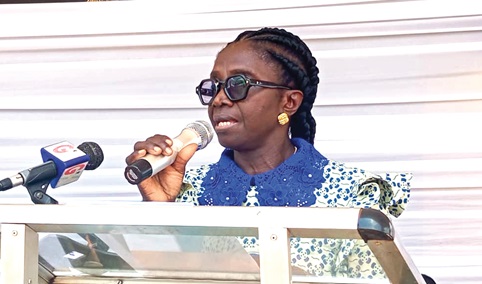
The Ghana Registered Midwives Association (GRMA) has called on the government to prioritise midwifery workforce expansion and improve conditions of service as part of efforts to improve maternal health outcomes in the country.
The National President of the Association, Netta Forson Ackon, said deliberate investment in recruitment, deployment and retention of midwives remained critical to improving access to quality maternal care and timely interventions during pregnancy, labour and the postnatal period, especially in underserved communities where gaps in skilled birth attendance persist.
While acknowledging government efforts over the years, Ms Ackon said a more deliberate and targeted strategy was needed to reduce the burden on overstretched midwives and improve coverage in rural and hard-to-reach areas.
She made the call at the 35th International Day of the Midwife celebration durbar held in Tamale on the theme: “One million more midwives for Ghana: invest, train, retain, save a mother, save a nation.”
The two-day programme brought together midwives and midwifery professionals from across the country and was supported by the United Nations Population Fund (UNFPA).
The event also featured the recognition of outstanding midwives for their contribution to maternal healthcare delivery.
The National Day of the Midwife (IDM) is set aside specifically on May 5 every year globally to recognise the contribution of midwives towards healthcare delivery.
Challenges
In her remarks, Ms Ackon said many midwives were working under severe pressure due to staffing shortages and high caseloads that often exceeded safe limits, hence affecting both their physical and mental well-being.
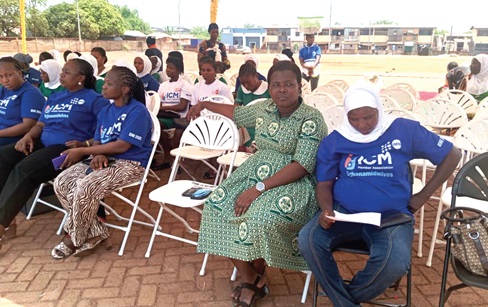
A Section of the participants
She further highlighted inequities in distribution, stating that rural and Northern Ghana continued to face significant deficits in skilled midwifery personnel.
Retention challenges, she added, remained a major concern as some trained midwives exited the public health system or migrated abroad in search of better opportunities.
For her part, the UNFPA Country Representative, Emily S. Naphambo, commended the GRMA for its commitment to improving maternal healthcare delivery.
She said about 65 per cent of Community-based Health Planning and Services (CHPS) zones nationwide were facing shortages of trained midwives, which is negatively affecting healthcare delivery.
She, however, admonished midwives in rural postings to sustain their commitment to service delivery and ensure continued support for pregnant women
