
Stakeholders in Ghana’s maritime sector have intensified calls for stronger inter-agency coordination, digital transformation, and the effective implementation of reforms to improve trade facilitation and eliminate inefficiencies at the country’s ports.
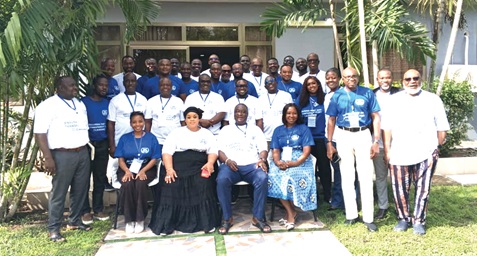
The call was made during a four-day Joint Facilitation of Maritime Traffic (FAL) and Maritime Anti-Corruption Network (MACN) Workshop held at Sogakope last Thursday.
The workshop brought together key public institutions, industry players and development partners to strengthen Ghana’s maritime governance framework.
The FAL Committee, which comprises representatives from the Ghana Maritime Authority (GMA), the Shipowners and Agents Association of Ghana (SOAAG), the Ghana Ports and Harbours Authority (GPHA), the Ghana National Chamber of Commerce and Industry, the Ghana Immigration Service, the Ghana Shippers Authority, the Ghana Navy, the Ghana Institute of Freight Forwarders (GIFF), the Cyber Security Authority, the Marine Police, the Ghana Health Service, Ghana Link and the Customs Division, plays a central role in ensuring that international shipping is fast, paperless and efficient, while maintaining strong but streamlined security systems that do not overburden operators with excessive documentation.
Speaking on behalf of the Director-General of the Ghana Maritime Authority, Dr Naval Captain Kamal-Deen Ali (rtd), the Chairperson of the National FAL Committee and the Director of Maritime Services Division at the GMA, Janet Houghman-Addy, commended stakeholders for their sustained commitment to improving maritime trade facilitation, eliminating operational bottlenecks and promoting transparency across Ghana’s maritime ecosystem.
She underscored the importance of the workshop’s theme, noting that Ghana’s obligations under the International Maritime Organisation’s FAL Convention require continuous efforts to harmonise procedures and improve coordination among agencies involved in port operations.
Ms Houghman-Addy expressed confidence that participants would align the work plans of the FAL Committee and the Maritime Anti-Corruption Network (MACN), develop coordinated anti-corruption measures and strengthen Ghana’s compliance with international maritime standards.
She emphasised the need for greater collaboration to improve national trade competitiveness.
Alignment
The Chairman of the workshop and President of the Ghana Institute of Freight Forwarders (GIFF), Stephen Adjokatcher, stressed the need for alignment of work plans across committees to avoid duplication and maximise impact, urging stakeholders to prioritise practical outcomes that will strengthen Ghana’s position as a leading maritime and logistics hub in West Africa.
Senior Research Associate at IMANI Ghana, Mr Denis Asare, highlighted longstanding governance and institutional challenges affecting port efficiency, stressing that corruption risks, insider manipulation and weak accountability systems continue to hinder trade facilitation despite ongoing reforms.
Interagency
Representing the Minister of Transport, the Director of Maritime and Inland Waterways, Prosper Amewode, reaffirmed the ministry's commitment to supporting initiatives that simplify procedures, promote transparency and strengthen inter-agency collaboration.
Writer's email:
