
Transparency International (TI) has called for stronger partnerships between Civil Society Organisations (CSOs) and Supreme Audit Institutions (SAIs) to improve accountability in the management of public resources.
It added that the CSOs and SAIs must also ensure that audit findings lead to meaningful action.
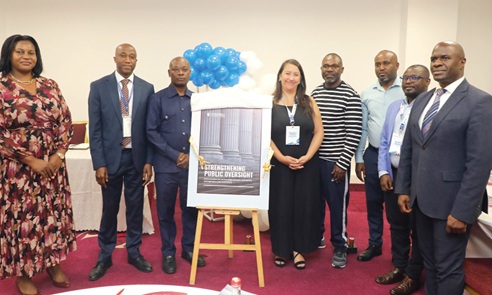
The call was made at the launch of the TI’s research report titled "Strengthening public oversight: Good practices for partnerships between civil society and supreme audit institutions" in Accra last Wednesday.
It said such partnerships would promote transparency, improve citizen participation in governance, and ensure that accountability efforts produced meaningful outcomes for the public.
Report
The report, which was prepared by TI with the support of the INTOSAI Development Initiative (IDI), drew on research and experiences from audit institutions and CSOs in Malawi and Zambia.
It formed part of the organisation’s Collaboration, Action and Dialogue to Reinforce the Engagement (CADRE) of Civil Society in improving the Public Financial Management project.
It explained that while audit institutions examined government spending and financial performance, CSOs helped to bring citizens' concerns into the accountability process and make audit findings easier for the public to understand.
Despite their shared goals, the report noted that collaboration between the two groups remained limited in many countries and was often confined to the release of audit reports.
To address that challenge, the report recommended stronger public education, citizens’ input into audit planning and the publication of simplified audit reports.
It also called for a stronger co-operation between audit institutions and CSOs to improve transparency and public accountability.
Lessons
The Programme Lead, Public Resource Protection at TI, Daniela Patino Pineros, said audit reports often failed to translate into corrective measures, improved public services and stronger oversight.
She indicated that lessons from the report underscored the importance of building stronger networks among accountability actors rather than working in isolation.Ms Pineros said CSOs and SAIs should be viewed as complementary partners in the fight against corruption, rather than separate actors working towards the same goal.
“This research report is expected to contribute to ongoing discussions on strengthening accountability systems by fostering greater co-operation between supreme audit institutions and civil society organisations across the continent,” she added.
Active involvement
For his part, the Deputy Auditor-General in charge of the Commercial Audit Department, Samuel Nii Odartey Lamptey, stressed that effective oversight of public finances required the active involvement of CSOs and development partners.
He said one of the key lessons from the engagements was the need to make audit reports more accessible and understandable to ordinary citizens.
"If you look at our national budget, we have a similar arrangement where the national budget is broken down into about six Ghanaian languages," he said and added that audit reports could also be simplified and presented in formats that resonate with a broader section of the public.
Mr Lamptey also indicated that the Audit Service remained open to partnerships that would strengthen transparency and public scrutiny.
He said such partnerships should span the planning, execution and reporting stages of audits, to ensure that public institutions remained accountable to citizens.
