

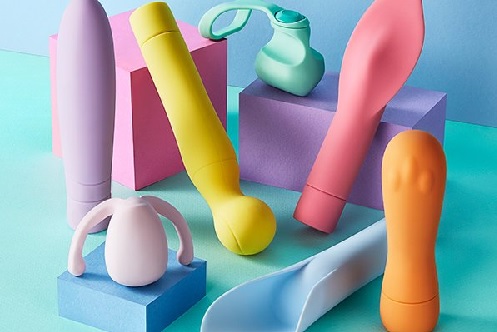
If the Human Sexual Rights and Family Values Bill, passed by Parliament, gets the assent of the President, the possession, sale or use of sex toys, including vibrators and dildos, could become illegal.
While the bill, passed by Parliament on May 29, 2026, does not expressly mention sex toys or contain a provision criminalising their possession or sale, references to prohibited sexual acts involving an "object or device" could potentially be interpreted to cover such items.
The bill's references to "related activities" could also be interpreted broadly.
A lawyer, Mr Stephen Sah, explained this to The Mirror in Accra last Wednesday when contacted for education on the bill.
The bill seeks to prohibit activities related to LGBTQ+ advocacy, promotion, participation among other provisions.
Current law
Mr Sah said, "Currently in Ghana, there are no standalone laws that prohibit possessing vibrators or sex toys. If you are caught using it, maybe to masturbate or to gratify your sexual libido, I don't think you can be arrested unless maybe you extend it to another person".
According to him, under Section 104 of the Criminal and Other Offences Act, 1960 (Act 29), which deals with unnatural carnal knowledge, legal questions may arise where the use of such devices involves another person.
He explained that the law applies in three instances: when such acts are committed against a person aged 16 or above without consent, when they are committed against a person aged 16 or above with consent and when they involve an animal.
The law prescribes different penalties depending on the circumstances of the offence.
Despite this, Mr Sah maintained that neither the possession nor personal use of sex toys is currently prohibited under

Ghanaian law Supreme Court interpretation
Mr Sah referred to the 2024 Supreme Court case of Dr Prince Obiri-Korang v Attorney-General, which examined issues relating to Section 104 of Act 29.
He said some comments made in the judgment of the Supreme Court appeared to broaden discussions surrounding what may constitute unnatural carnal knowledge and could influence future legal interpretations.
He stressed that those discussions had not created a specific offence relating to the possession or personal use of sex toys, but were made in passing.
“As of now, nobody can be arrested for possessing or even using it,” he said.
Mr Sah questioned social media reports made by individuals alleging that they had been arrested by the police for possessing sex toys, saying that there is no law banning the possession or personal use of sex toys, making it unclear why such arrests would be made.
According to him, some policemen may not fully understand the law, while in other cases, the arrests could be attempts to extort money from unsuspecting individuals.
He urged the public to learn their legal rights and the distinction between existing laws and proposed legislation that has not yet come into force.
For now, he said, the possession and personal use of sex toys remain outside the scope of Ghana's criminal laws, although that position could change depending on the fate of the Human Sexual Rights and Family Values Bill.
