The recent events at Komfo Anokye Teaching Hospital (KATH) have generated considerable public discussion.
Beyond the administrative and political debates, however, the incident presents an important opportunity to reflect on the principles of Disaster Medicine, patient safety, healthcare system resilience, and medico-legal risk management.
Healthcare facilities have a fundamental responsibility to provide safe and quality care to patients while ensuring the safety of caregivers and healthcare workers. This responsibility does not diminish during periods of extreme pressure on the health system. Rather, it becomes even more critical.
A core principle of Disaster Medicine is the recognition that hospital resources are finite. Beds, personnel, equipment, medications, and physical space all have limits. When an emergency department reaches or exceeds its surge capacity, hospital leaders are required to make difficult decisions aimed at preventing avoidable harm. Disaster Medicine teaches that continuing to receive patients beyond a facility's safe operational capacity can compromise standards of care, increase adverse outcomes, and place both patients and healthcare workers at risk.
For this reason, one of the fundamental principles of hospital emergency management is the timely recognition and communication of capacity limitations. Redirecting patients to alternative facilities when a hospital can no longer safely accommodate additional admissions is a recognized strategy in emergency and disaster management. Such actions are intended to preserve patient safety, maintain quality of care, and prevent system collapse.
This reality must also be viewed within the context of modern medico-legal practice. Across the world, healthcare institutions increasingly face legal actions arising from allegations of negligence, delayed treatment, overcrowding, inadequate staffing, or failure to provide an acceptable standard of care. Patients and families are becoming more aware of their rights and are more willing to seek legal redress when they believe preventable harm has occurred.
Consequently, hospital leaders have not only an ethical obligation but also a professional and legal duty to identify situations where patient numbers have exceeded safe operational limits. Failure to act in such circumstances may expose patients to avoidable risks and create significant liability for healthcare professionals and institutions alike.
The lessons from this incident therefore extend beyond any single facility. They highlight the importance of Disaster Medicine knowledge throughout the entire health system, particularly at the governance, regulatory, and policy-making levels. A deeper understanding of hospital surge capacity, mass casualty management, emergency risk communication, incident command systems, healthcare system resilience, patient safety, and medico-legal risk management can strengthen decision-making during periods of severe operational stress.
As healthcare systems become increasingly complex and demand for services continues to rise, leaders responsible for health governance must be equipped to appreciate the operational realities faced by frontline healthcare facilities. Disaster Medicine training provides the framework for understanding these realities and for making decisions that balance accountability, patient safety, healthcare worker welfare, and system sustainability.
Ultimately, the primary objective of every healthcare leader and institution should be the protection of patients, caregivers, healthcare workers, and the integrity of the health system. Actions taken to prevent harm, preserve quality care, and safeguard lives should always be assessed through that lens. The KATH situation serves as a timely reminder that Disaster Medicine principles are not only relevant during major disasters; they are equally essential in managing everyday healthcare crises caused by overwhelming patient demand and limited healthcare resources.
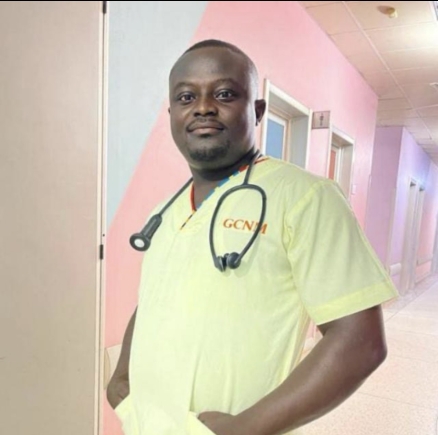
The writer, Shai Agyemang is an Emergency Nursing Resident, Ghana College of Nurses and Midwives, Kumasi Site