
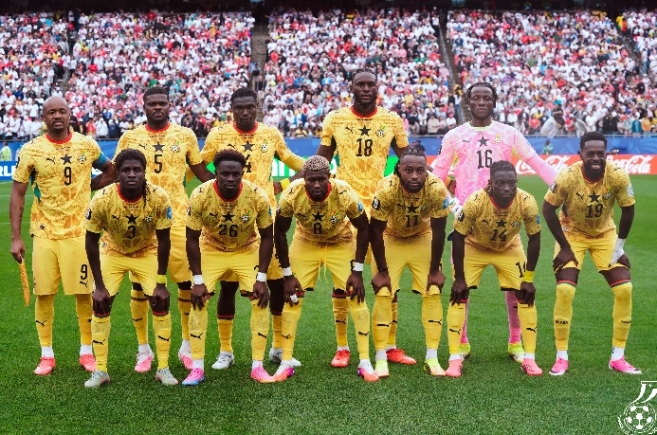
Last Saturday, the hopes of many Ghanaians were dashed after the Black Stars suffered a 2-1 defeat to Croatia in their final Group L match at the World Cup.
Although the loss was painful, it did not prevent Ghana from advancing to the knockout stage, where the real battle for World Cup glory begins.
For many supporters, the joy, pride and bragging rights that come with victory were more important than the permutations of the group standings.
That explains why the country fell silent after the final whistle, despite the team's qualification for the next round. Ghanaians have always expected the Black Stars to compete with determination and win every match they play.
However, football is not only about emotion but also about strategy. While many fans were disappointed by the defeat, some football analysts believe the result may have worked in Ghana's favour by avoiding a potential third World Cup clash with Portugal.
The painful memories of previous defeats to the Portuguese remain fresh and another meeting would have presented both a tactical and psychological challenge.
Colombia, though equally formidable, represents a different kind of challenge. Many supporters believe facing a new opponent is preferable to confronting a familiar adversary that has repeatedly denied Ghana success on the biggest stage.
A first-ever World Cup meeting with the South Americans would provide the Black Stars with an opportunity to write a new chapter in their football history.
Others also point to the nationality of head coach Carlos Queiroz, arguing that facing his native Portugal could have placed him in an uncomfortable position. Football has witnessed similar situations before.
Former Black Stars coach, Milovan Rajevac, after leading Ghana to victory over his native Serbia at the 2010 World Cup, chose not to celebrate out of respect for his homeland. Such emotional conflicts are real and cannot be ignored.
There are also practical considerations. If player availability and tournament logistics favour one opponent over another, every advantage should be welcomed.
At this stage of the competition, even the smallest edge can make the difference between progress and elimination.
Nevertheless, theories and favourable permutations will count for little unless the Black Stars deliver on the pitch. Qualification is merely the first step; success in the knockout stage demands discipline, resilience and clinical performances.
It is, therefore, time for the Black Stars to put the disappointment of the defeat to Croatia behind them and focus on the challenge ahead. The knockout stage is where champions are made and every match is a final.
Ghanaians have witnessed the national team reach the quarter-finals before and expectations remain high. Anything short of matching or surpassing that achievement will leave many supporters disappointed.
The nation must continue to rally behind the team. With unity, determination and unwavering support, the Black Stars have every opportunity to make history once again.
The defeat to Croatia should not define Ghana's World Cup campaign; rather, it should serve as the motivation to achieve greater success in the matches that truly matter.
