
The opposition New Patriotic Party (NPP) has amended its constitution on how national vice chairpersons are elected.
Article 10(5) of the NPP's constitution has now provided that the first, second and third national vice-chairperson positions shall be separate elective positions, with each contesting independently at the national delegates conference.
Hitherto, the system of voting made the three positions, one election, where the electorate was presented with all the candidates for them to vote for three.
All contestants file and when the votes are counted, the one who gets the highest is designated as the first vice, followed by the second highest votes as second vice and the third highest as the third vice chairperson.
With the modified and new amendment of Article 10(5), all aspirants will file for specific positions in the three vice chairperson slots, and three different elections will now take place for each position.
This means, an aspirant interested in third vice will file for only that position and considered for that position only.
Again, the amendment of Article 10(5) has also provided for the appointment of three additional national vice-chairpersons bringing the total to six.
The appointed vice-chairpersons would however not be eligible for succession to the national chairmanship.
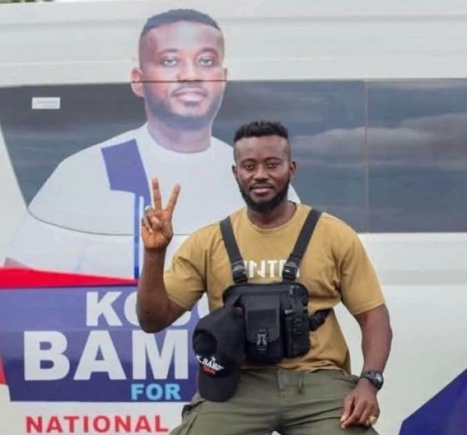
At last Saturday's conference, Kojo Fosu Boadu, commonly known in the NPP as Kojo 'Bamba' the machoman, an auto mechanic from the Kumasi suburb of Asafo, who got involved in partisan politics as a 'machoman' pulled a surprise when he emerged as the First National Vice Chairman of the NPP, beating 12 other contestants.
Those he beat included Dr Mustapha Abdul Hameed (former National Petroleum Authority CEO, former Minister of Information and Inner-City and Zongo Development), Nana Akomea (former Communications Director and STC MD), Samuel Pyne (former Kumasi Metropolitan Chief Executive and Ashanti Regional Secretary of NPP), George Kwabena Abankwah Yeboah (former National Treasurer), Richard Ahiagba (former Communications Director), Alhaji Masawudu Osman (Chairman Buga - immediate past vice chairman), Richard Oti Aboagye, Abena Pokua Boaitey Amoah, Yaa Amponsah Frimpong, Henry Nana Boakye (immediate past National Organiser), Horma Miez, and Bright Esselfie Kumi.
Now in the absence of the new national chairman in the person of John Boadu, Kojo Fosu Boadu (Kojo Bamba) will now take charge of affairs of the NPP as chairman.
When Bamba expressed interest in the national vice chairman position, nobody considered or tipped him among the top three as various polls kicked him out of the race.
Even Bamba himself per his campaign message, doubted he was going to come up tops.
He, however had a simple, strong and strategic campaign message that asked the delegates to vote for two educated or elites, and vote for him Kojo Bamba as their machoman who will protect party members and their ballots at the general election and constantly reminded delegates that he was number two on the ballot paper and that the elephant was coming back to power.
This strategy, under the previous voting system worked in his favour, emerging as the one with the highest votes with others falling behind.
- Kojo Fosu Boadu - 3116 votes (1st Vice)
- Henry Nana Boakye - 3061 votes (2nd Vice)
- Nana Akomea - 2987 (3rd Vice)
- Mustapha Abdul Hameed - 2956 votes
- Yaa Amponsah Frimpong - 1503
- Richard Ahiagba - 1001
- Alhaji Masawudu Osman - 890
- George Kwabena Abankwah Yeboah - 247
- Horma Miez - 232
- Samuel Pyne - 206
- Abena Pokua Boaitey Amoah - 194
- Richard Oti Aboagye - 152
- Bright Esselfie Kumi- 51
Related articles:
- How Kojo 'Bamba' pulled a surprise and got elected as NPP 1st national vice chairman beating 12 other contestants
- Kojo Bamba’s security message strategy helped him win NPP First Vice Chairman race - Nana Akomea
- I printed no banners, mounted no billboards or paraphernalia for NPP vice chair slot, but gave each delegates GH¢400 for transport - Nana Akomea
Other amendments
Among other amendments in the constitution of the NPP is making its presidential candidate the leader of the party.
Similarly, when the party is in government, the President shall be the leader of the party until a presidential candidate is elected.
The amendment to Articles 10(4)(1) and 13 seeks to formalise the party’s leadership structure and eliminate ambiguity or potential contestation over who exercises political leadership of the party. It recognised the presidential candidate as the principal focal point of the party when the party is in government.
The President as the holder of the highest executive political authority and the proposal therefore establish a logical succession of political leadership; the Presidential Candidate leads where one has been elected and the President leads where the party is in government but has no presidential candidate.
There were a total of 14 amendments that were tabled and approved during the party’s national delegates conference that was held at the Baba Yara Sports Stadium last Saturday.
