
The media have been challenged to uphold the dignity and rights of children by ensuring ethical and sensitive reportage on child labour and abuse-related issues.
A retired journalist with the Ghana Broadcasting Corporation (GBC), Dr Victor Leonard Amengor, said journalists must avoid exposing children to stigma, ridicule and unnecessary public attention in the course of their work.
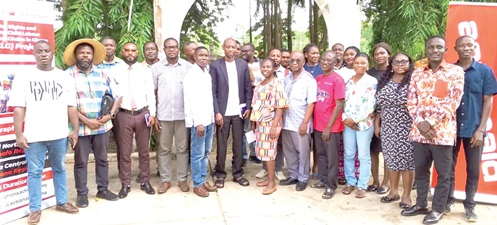
He gave the advice during a training programme organised by ActionAid Ghana under the Advancing Rights and Combating Child Labour in Cocoa Value Chains in Ghana (ARCCLG) project at Abesim near Sunyani last Wednesday.
The programme formed part of efforts to build the capacity of about 20 selected journalists from the Bono and Ahafo regions to report ethically and accurately on child labour issues.
Dr Amengor said journalists must deepen their understanding of ethical standards in reporting on children and vulnerable groups, while improving their interviewing skills when engaging minors.
Citing the Ghana Journalists Association (GJA) Code of Ethics, he explained that journalists should respect the privacy of children and avoid revealing the identities of minors involved in crimes or victims of abuse.
He stressed the need to seek consent from parents or guardians before interviewing children and cautioned against publishing information that could expose a child’s identity.
Dr Amengor further urged journalists to exercise sensitivity when dealing with people in grief or distress and avoid the use of images that depicted violence, pain or suffering in ways that could traumatise children or offend readers.
Training
The training also focused on child safeguarding principles, responsible interviewing techniques and context-sensitive approaches to reporting child labour cases.
The ARCCLG project, funded with 100,000 Euros by the Chartered Institute of Procurement and Supply and the Postcode Trust Fund, is being implemented in four cocoa-growing districts in the Bono and Ahafo regions over a one-year period.
The project seeks to strengthen community and institutional efforts to prevent and respond to child labour through awareness creation, school child protection clubs and farmer training programmes.
Responsible reporting
The Bono Regional Manager of ActionAid Ghana, Kwame Afram Denkyira, also entreated journalists to be disciplined and responsible in reporting issues involving children.
He said the organisation remained committed to safeguarding children and protecting vulnerable people from abuse, exploitation and harassment.
Mr Denkyira added that the project would promote the participation of women, youth and persons with disabilities in all activities to ensure inclusiveness and equal representation.
The Bono Regional Director of the Commission on Human Rights and Administrative Justice (CHRAJ), Alhaji Gawusu Abdul-Wadood, challenged journalists to use their platforms to protect children from abuse, exploitation and child labour.
He observed that many children in vulnerable communities and families were unaware of their rights or where to seek help when abused.
Alhaji Abdul-Wadood described the media as a strong voice for children and disadvantaged groups, explaining that journalists had contributed significantly to public education and advocacy through investigative reporting.
He said that businesses such as the cocoa industry had a responsibility to respect children’s rights and avoid practices that endangered their safety, education and future.
He, therefore, urged journalists to continue exposing child labour and other abuses responsibly to help victims obtain justice and protection.
