
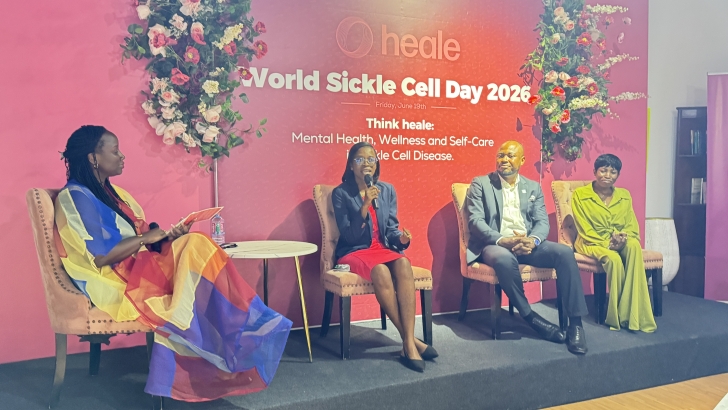
A health advocacy group has called on the government to establish a national sickle cell programme to coordinate screening, treatment and support services for the estimated 15,000 babies born with the condition in Ghana each year.
The group, heale, said such a programme would strengthen the country’s response to sickle cell disease and ensure that patients receive comprehensive care, including mental health and psychosocial support.
The call was made at an event in Accra on Friday June 19, 2026 to mark this year’s World Sickle Cell Day on the theme: “Think heale: Mental Health, Wellness and Self Care in Sickle Cell Disease.”
A haematologist and Co-Founder of heale, Dr Enam Sefakor Bankas, said sickle cell disease affected about two per cent of newborns in Ghana, yet many patients continued to receive care focused mainly on the physical effects of the condition.
She said Ghana needed a dedicated national programme, similar to existing interventions for HIV, tuberculosis and malaria, to improve coordination of care and make treatment more accessible across the country.
Dr Bankas further advocated nationwide newborn screening and increased access to specialised services to enable early diagnosis and better management of the condition.
“Health is more than the absence of disease, and healing is more than medical treatment. Mental health, wellness and self-care are not luxuries. They are part of living well with sickle cell disease,” she said.
Mental health concerns
A clinical psychologist and mental health advocate, Mr Eugene Tornyeah, said the psychological challenges faced by people living with sickle cell disease often received little attention within the healthcare system.
He said many patients struggled with chronic stress, anxiety, social isolation, low self-esteem and emotional exhaustion due to the recurring nature of the condition.
Mr Tornyeah observed that many health facilities lacked the multidisciplinary teams required to provide comprehensive care for sickle cell patients.
“It is unfortunate that most facilities that care for people living with this condition do not have all the multidisciplinary teams that can provide proper care,” he said.
He stressed the need to treat mental health with the same importance as physical health in the management of chronic diseases.
Advice
Mr Tornyeah advised people living with sickle cell disease to adhere to prescribed medication, attend regular clinic appointments, drink adequate amounts of water, maintain a balanced diet, get sufficient rest and engage in moderate physical activity where possible.
Heale also called on policymakers to strengthen support systems for sickle cell patients, urged healthcare professionals to integrate mental health services into routine care and appealed to communities to help reduce stigma associated with the condition.
