
The African Centre for Urban Resilience Planning and Inclusive Governance (ACURPIG) has called for gender-responsive climate and urban planning policies and initiatives to protect women and children, who are hardest hit by the country's recurring flooding.
According to her, women and children continued to bear the brunt of flooding, with many losing homes, livelihoods, educational opportunities and access to essential services whenever disaster struck.
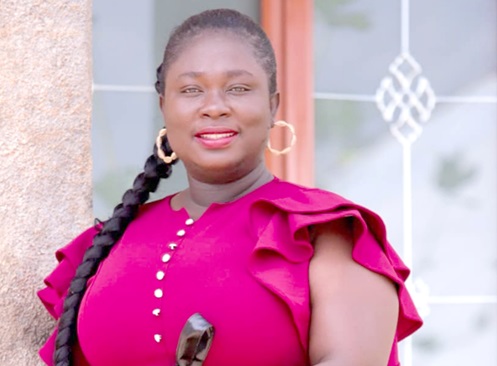
The Executive Director of ACURPIG, Gifty Nyarko, told the Daily Graphic that flooding placed a heavier burden on women and children, who often faced increased economic hardship, health risks and disruptions to their education and daily lives.
Greatest challenges
She said the recent flooding in Accra had once again highlighted the disproportionate impact of climate-related disasters on women and children, who often faced the greatest challenges during emergencies and recovery efforts.
"While floods affect entire communities, women and children often suffer the most severe consequences," she said.
Ms Nyarko explained that women were frequently left with the responsibility of protecting children, caring for the sick and elderly, securing food and water, salvaging household belongings and rebuilding family livelihoods after disasters.
"Women traders are also among the hardest hit, as floodwaters often destroy their goods, wipe out working capital and disrupt businesses that serve as the primary source of income for their households”.
For children, Ms Nyarko said, the consequences extend beyond the immediate danger posed by rising waters.
Emotional trauma
She said flooding often resulted in school closures, destruction of books and learning materials, increased exposure to waterborne diseases such as cholera and typhoid, and emotional trauma that could affect their well-being.
Ms Nyarko said in severe cases, children might suffer injuries, displacement, family separation and even loss of life.
She said flooding should not be viewed solely as an environmental challenge but also as a planning, governance and development control issue.
"The truth is that every unauthorised development in watercourses, wetland destroyed, tree cut down, drainage reservation occupied and planning regulation ignored contributes to future flood disasters," she said.
Consequences
Ms Nyarko stressed that the consequences of such actions were often borne disproportionately by women and children.
She urged policymakers to integrate gender considerations into climate adaptation, disaster risk reduction and urban planning initiatives to ensure that the needs and experiences of women and children were adequately addressed.
Ms Nyarko said the active involvement of women in environmental management, urban planning and decision-making processes was essential to building resilient communities.
She called for strict enforcement of planning and building laws, protection and restoration of wetlands and watercourses, prevention of development in flood-prone areas and greater investment in climate-resilient urban infrastructure.
Ms Nyarko called for collective action involving government agencies, traditional authorities, developers, communities and citizens to address the root causes of flooding and safeguard vulnerable populations.
"The true measure of a resilient city is not the height of its buildings or the width of its drains, but how well it protects its people, especially women and children," she said.
Writer's email:
