
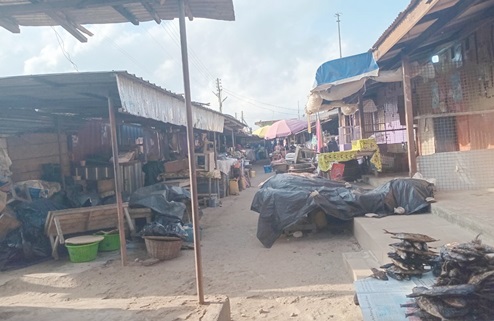
There is a quiet conversation emerging in Cape Coast, one that reflects both the city’s unique pace and the opportunity to shape a more responsive and vibrant commercial culture.
For a place celebrated as one of Ghana’s historic and tourism capitals, Cape Coast carries a distinctive rhythm.
In parts of the metropolis, especially within sections of the market and key business areas, the early hours of the day often unfold more gently than the fast-paced bustle seen elsewhere.
Unhurried mornings
A walk through town before 9:00 a.m. can reveal a calm atmosphere—shops yet to open, streets unhurried, and buyers moving patiently through the morning.
Even by 10:00 a.m., some businesses are still preparing to welcome customers.
For many residents, particularly those working within tight schedules, this slow start presents both a challenge and a moment for reflection on how the city’s economic pulse can evolve to meet growing demand.
Saturdays, widely regarded as prime market days, highlight this dynamic even more.
While the expectation is for early trading activity, the reality often leans toward a later start.
Yet, this also signals untapped potential—an opportunity for businesses to align more closely with customer needs and maximise peak demand periods.
In some instances, customers find themselves waiting for shops to open. And when doors finally welcome them in, expectations around customer experience continue to shape conversations about service delivery and business growth.
Adwoa Baidoo, who runs a restaurant in Cape Coast, said the situation had become one of the realities of operating a business in the city.“If I forget to buy something I need for the next morning, then I begin to worry,” she said.
Harriet Gorden, a mother of three, said Cape Coast introduced her to an entirely different shopping culture. Having moved from Accra, she assumed life would continue in much the same way.
In Accra, she said, buying snacks before sending children to school was effortless, regardless of the hour.
Evolving patterns
Beyond convenience, this evolving pattern invites a broader discussion about productivity, customer engagement, and the future of commerce in Cape Coast.
A recent experience shared by a journalist underscores this point.
Heading out early to cover an assignment, he found it difficult to access basic necessities such as drinking water, as many shops were yet to open.
His lighthearted question—“Is there something happening in Cape Coast today?”—captured a reality that many residents recognise.
But the traders had their own side of the story
Madam Hawa, a vegetable seller, explained that weekday mornings are often slow.
“Morning business is usually not strong,” she said. “Sometimes, if customers call me that they need something, I come earlier.”
Madam Sandra, who sells rubber products, said “Sometimes the body is simply tired,” she said
“You want to come early, but you need rest too.”
Perhaps that is what makes Cape Coast different. It slowly warms up.
By midday, Kotokuraba and Abura burst into life. Voices rise above one another. Buyers negotiate loudly. Traders compete for attention. The city eventually wakes fully and confidently.
Naturally, traders have valid considerations.
Transport logistics, family responsibilities, and economic pressures all influence daily routines.
Additionally, slower customer traffic in the early hours may shape decisions about opening times.
City of promise
Yet, Cape Coast is a city full of promise, home to students, professionals, tourists, and entrepreneurs.
Its daily rhythm is steadily evolving, and with it comes the chance to strengthen its commercial vitality.
As more residents begin their day earlier, heading to lectures, workplaces, hospitals, and travel connections, the demand for accessible goods and services in the morning continues to grow.
This presents a powerful opportunity: to build a business culture that not only reflects Cape
Coast’s character but also responds to the pace of modern life.
Because in a city where both buyers and sellers align their energy, the doors to greater productivity, improved service, and economic growth can open even wider.
