


When buildings are erected on waterways, drainage channels are blocked and environmentally sensitive areas are encroached upon, families are exposed to risks that proper physical planning and effective enforcement of regulations could help prevent.
The Local Government Service Association of Physical Planners (LOGSAPP) is, therefore, calling for stronger enforcement of planning regulations and greater institutional support to protect lives, homes and communities from avoidable disasters.
The National President of LOGSAPP, Gifty Nyarko, said effective spatial planning was essential to creating safer settlements, protecting livelihoods and building resilient communities capable of withstanding the effects of climate change.
Public safety
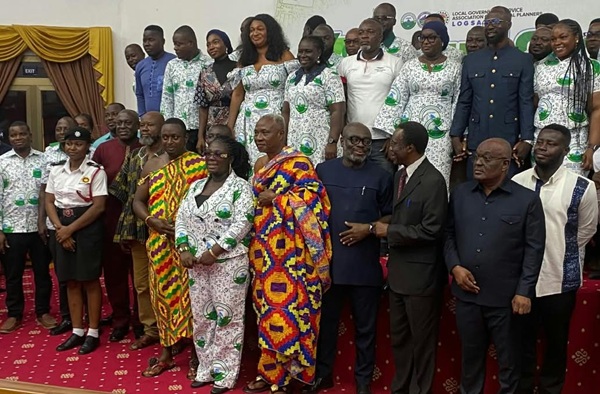
She made the call at the association’s Third Annual General Meeting and Conference in Kumasi, held on the theme: “Strengthening Spatial Planning for Disaster Risk Prevention, Reduction, Climate Change Resilience and Sustainable Infrastructure Delivery in Ghana.”
Ms Nyarko said decisions about where homes were built, how waterways and drainage channels were protected, and where public facilities were located had far-reaching implications for public safety.
She observed that physical planners were often among the first professionals to face public criticism when disasters occurred, even in situations where their technical advice had been ignored, approved plans disregarded and enforcement efforts inadequately supported.
While acknowledging the responsibility of planners to protect public safety and remain accountable for their professional decisions, she called for stronger institutional backing to ensure that their technical recommendations were respected and translated into action.
Protecting families
Ms Nyarko said protecting families from disaster risks required cooperation among local authorities, traditional authorities, landowners, developers and residents.
She appealed to traditional authorities and landowners to ensure that land allocation decisions were consistent with approved development plans and the long-term interests of their communities.
She also urged prospective developers and members of the public to consult the relevant planning authorities before undertaking construction projects to prevent avoidable difficulties, safeguard investments and promote orderly development.
Ms Nyarko stressed the importance of protecting drainage corridors, wetlands, green spaces, public reservations and other environmentally sensitive areas through coordinated decision-making and consistent enforcement of planning regulations.
Resources for effective planning
The LOGSAPP president called on the Local Government Service and other relevant authorities to address staffing shortages in Physical Planning Departments across Metropolitan, Municipal and District Assemblies (MMDAs).
She said staffing levels should reflect the size, population, development pressures and workload of individual assemblies, adding that the recruitment, equitable deployment and retention of qualified personnel must be prioritised.
She further appealed for adequate operational funding, transport for field inspections, modern surveying equipment, computers and appropriate geospatial software to enable planners to perform their duties effectively.
Ms Nyarko also called for a coordinated national programme to procure and regularly update accurate, reliable and comprehensive base maps for all MMDAs.
She explained that access to current base maps would help physical planners assess existing developments, identify disaster-prone areas, protect environmentally sensitive land and guide infrastructure investment.
Professional development
Ms Nyarko called for sustained investment in professional development to equip physical planners with the skills required to use geographic information systems, assess climate-related risks and guide resilient urban development.
She urged practitioners to uphold professional integrity by providing honest technical advice, applying procedures fairly, safeguarding confidential information and treating clients with courtesy and respect.
She reaffirmed LOGSAPP’s commitment to advocating improved working conditions, adequate staffing, reliable planning data and stronger institutional recognition for its members.
Ms Nyarko said the conference's success should be measured by practical commitments and sustainable partnerships that translate into safer settlements and better living conditions for present and future generations.
Writer’s email:
