
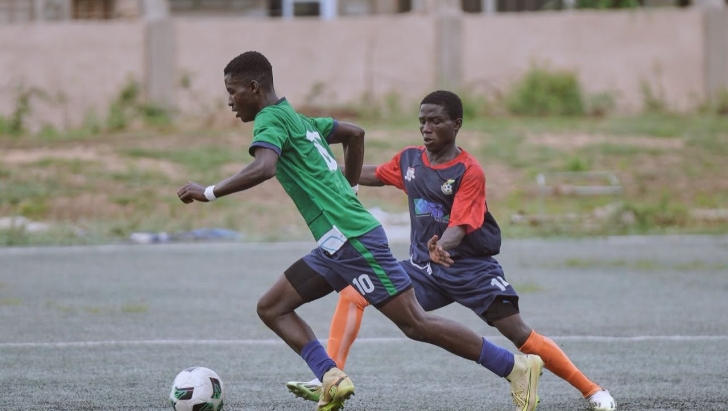
I must apologise to readers for the side swerve of this week’s article into the realm of football but, as the great Bill Shankly, legendary manager of Liverpool FC, once said, ‘football is more important than life or death’.
Ghanaian football is at a crossroads.
The Black Stars, once a formidable force in African and World football, have become a pale shadow of their illustrious past.
A country that produced legendary players and commanded respect across the continent now struggles.
The painful defeat to The Gambia on home soil in the opening matches of the 2027 Africa Cup of Nations (AFCON) qualification campaign has brought the crisis into sharp focus.
Losing matches is part of football but when defeats expose deeper institutional weaknesses, they demand more than calls for the dismissal of coaches or hurried tactical changes.
Ghana’s football problem is not merely about players or coaches.
It is a problem of administration, planning, infrastructure and accountability.
Changing coaches cannot substitute for changing the system.
Greatest weakness
One of the greatest weaknesses of Ghanaian football is the absence of a coherent, long-term national development plan.
Football administration appears too frequently driven by short-term ambitions rather than a clearly defined strategy.
The Ghana Football Association (GFA) must be more than an institution responsible for organising competitions and appointing national team coaches.
It should be the strategic architect of football development with measurable objectives.
Conflict of interest is another serious concern.
Where influential football administrators also have financial interests in clubs, public confidence is inevitably undermined.
Strong conflict of interest rules, transparency and independent oversight are indispensable.
Equally troubling are concerns about interference in national team selection.
Selection must remain the responsibility of technical personnel, based on merit, performance, fitness and tactical requirements.
Administrators, politicians and influential intermediaries must not dictate who wears the national jersey.
It is difficult to build a formidable national team on the foundation of a weak domestic league.
Ghana’s Premier League, once a vibrant source of talent and national excitement, struggles to attract the crowds and investment necessary for sustainable growth.
Inadequate stadium facilities, limited television coverage, financial instability and uncompetitive player remuneration have contributed to its declining appeal
The situation presents a troubling contradiction: while clubs struggle financially and players endure difficult conditions, football administration continues to attract criticism over expenditure and bonuses.
Greater transparency is necessary to restore public confidence.
The domestic league must become an attractive product.
Ghana needs properly maintained stadiums that make attending matches enjoyable.
Investments should prioritise functional infrastructure rather than expensive monuments.
Players must receive competitive and regularly paid salaries, supported by enforceable contracts.
The GFA and clubs must aggressively pursue credible corporate sponsorship, improved television and digital broadcasting in innovative commercial partnerships.
Affordable tickets, merchandise and enjoyable match-day experiences can help restore patronage.
Clubs must build strong identities and communities around themselves.
Consistent refereeing, effective disciplinary systems and credible club licensing are equally essential.
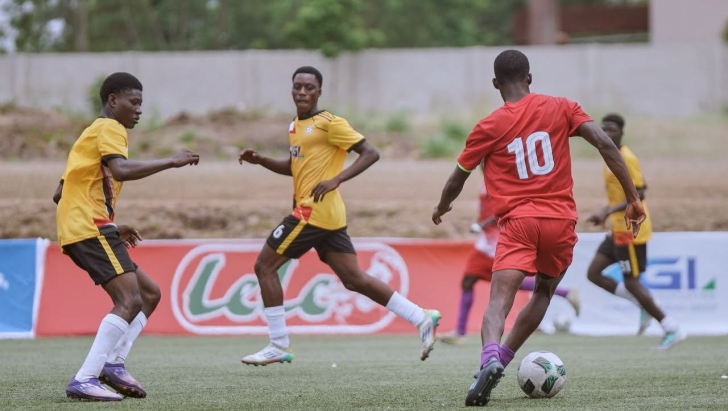
Perhaps the most serious failure is Ghana’s inability to establish a coordinated pathway for identifying and nurturing young footballers.
Ghana has never lacked talent.
From the streets of Accra and Kumasi to schools and communities nationwide, gifted young players abound.
What is missing is a structured system connecting schools, juvenile clubs, regional associations, professional clubs and National Youth teams.
Our Colts football system should be the foundation of national development.
Yet youth competitions often lack continuity, qualified coaches and adequate facilities.
Every professional club should be encouraged, through licensing requirements and financial incentives, to maintain properly equipped youth academies.
Regional development centres should identify promising players and provide coaching, education and medical support.
Youth development must not simply produce players for immediate transfers abroad.
Ghana needs footballers capable of strengthening the domestic league while providing a sustainable pipeline for the national team.
Ghana does not need to reinvent the wheel.
Examples abound, and Morocco’s approach is worth adapting.
The Muhammad VI Football Academy demonstrates what sustained investment in young talent can achieve.
The GFA must develop a 10-year National Football Development Strategy involving the Ministry of Sports, National Sports Authority, educational institutions, clubs and private investors.
The immediate challenge is to salvage Ghana’s 2027 AFCON qualification campaign.
But football’s future cannot be determined merely by whether the Black Stars qualify for the next tournament.
The task should be to identify where the next generation of stars will come from.
Ghanaian football does not need cosmetic changes; it needs a revolution in leadership, vision and accountability.
The rebuilding must begin now.
Over to you, Honourable Kofi Iddie Adams.
The writer is a lawyer.
E-mail:
