
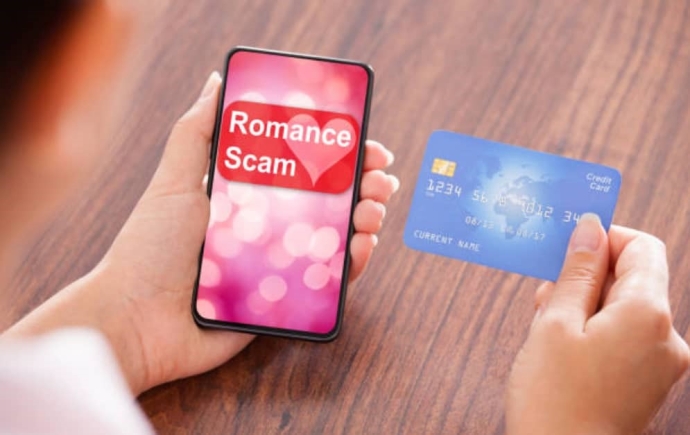
Fraudsters are increasingly combining romance scams with fraudulent online investment schemes, using promises of love and high returns to lure victims into parting with their money through mobile money and social media.
The Cyber Security Authority (CSA) has warned of a surge in fraudulent online investment schemes operating under various aliases. In the first six months of 2026, the authority recorded 352 cases, amounting to a total financial loss of GH¢3,429,447.
Scammers lure victims with promises of high returns and primarily use social media for advertising and mobile money for transactions. In their bid to appear credible, they falsely present their schemes as subsidiaries of established foreign companies. Victims are told their investments will fund crypto-mining equipment leases or online business tasks, but once funds are transferred, they neither receive returns nor recover their initial investment. The threat actors frequently rebrand themselves to evade detection, with the latest names including Darazz, Daily Trade, Ghstore, KUKA and Edollar.
What is a romance scam?
A romance scam is a form of fraud in which a cybercriminal builds a fake romantic or close personal relationship with a target, typically online, to manipulate them into sending money, gifts, personal information or investing in fraudulent schemes. The lifecycle begins with contact on a dating app or social media, transforms into a fast-moving emotional bond, and then moves to a fabricated crisis or opportunity before the financial request.
Romance scams usually last from a few weeks to several months of building a relationship and establishing trust before any financial ask is made. Once trust is secured, requests escalate. Some cases can run for a year or more with victims sending repeat payments. In the age of AI chatbots, the timeline is being compressed because scammers can use personalised, round-the-clock messaging that accelerates emotional attachment.
How AI is supercharging romance scams
Generative AI now allows a single scammer to run dozens of convincing conversations simultaneously through chatbots, generate deepfake photos and video for fake profiles, and clone voices for fake video calls that once offered reliable identity verification. Unlike stolen photographs, AI-generated profile photos may not appear anywhere else online, making a reverse image search less useful for spotting deception.
The crypto romance scam
Scammers behind cryptocurrency romance scams build fake romantic relationships to gain trust and then persuade victims to send cryptocurrency or make false crypto investments. They rely heavily on the pig butchering method, building a relationship over weeks or months before introducing a too-good-to-miss cryptocurrency investment opportunity. If the victim falls, scammers guide them through setting up a wallet or exchange account, show fabricated returns to encourage larger deposits, and then disappear with the funds. Crypto is often the preferred payoff method because transactions are largely irreversible and hard to trace.
6 Common romance scam tactics in 2026
1. AI chatbot profiles are used to create automated, always-on conversation partners that mimic a real person's texting style and provide a constant stream of romantic attention.
2. Deepfake photos and video calls are used to prove an allegedly real identity when a suspicious victim asks for a video chat, with real-time face-swapping and voice manipulation making the scammer appear authentic.
3. Military or overseas-worker personas are adopted to avoid meeting in person, with scammers claiming to be offshore contractors, oil-rig workers or employees in other professions known for remote work.
4. Crypto investment fraud is a common part of online love scams, with scammers using romantic relationships to introduce fraudulent crypto trading platforms or wallets.
5. Fake emergencies rely on urgency, such as sudden medical bills, customs fees or travel costs that only the victim can supposedly solve with a wire transfer or gift cards.
6. Isolation tactics encourage victims to keep the relationship secret from friends and family, who are most likely to spot the scam early.
Red flags to watch out for
Warning signs in a dating profile include professional model-quality photos, a new or inactive profile, inconsistent details between the profile and conversation, and urgency to move the conversation to a private messaging app.
In conversation, red flags include overly fast declarations of love, refusal or repeated excuses related to requests for video calls or meeting in person, inconsistent or vague answers about occupation and location, and conversations that always circle back to hardships or plans for a shared future.
Any request for money, gift cards or cryptocurrency, or suggestions to invest, is a red flag when it comes from a person you do not know well. This should become even more suspicious if it is framed as an emergency, a one-time favour or a joint investment.
What to do if you think you are being targeted
If you believe you are being scammed or have already sent money, you should stop all contact and communication immediately. Contact your bank or mobile money provider to attempt a reversal or freeze, report the profile to the dating platform, and file a report with the relevant authorities.
The Cyber Security Authority has a 24-hour Cybersecurity and Cybercrime Incident Reporting Point of Contact for reporting cybercrimes and for seeking guidance and assistance on online activities. The public can call or text 292, reach the authority on WhatsApp on 0501603111, or send an email to
The authority advised the public to be cautious of online platforms promising unusually high returns on investments, refrain from joining WhatsApp groups or responding to unsolicited messages claiming affiliation with reputable organisations, and always verify the legitimacy and credibility of investment opportunities by consulting official channels or recognised regulatory bodies.
Slowing down, verifying identity through video calls and reverse image search, and refusing any financial or crypto request are the three habits that stop most romance scams before they start. Do not trust by default; verify before you trust.
