
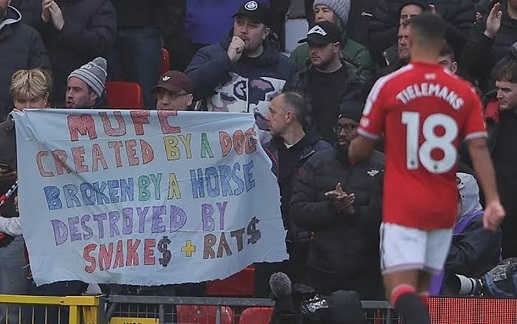
When Sir Alex Ferguson left Old Trafford for the last time as manager in May 2013, he left behind far more than a trophy cabinet filled with 13 Premier League titles and two European Cup/Champions League titles. He left an identity, an uncompromising standard and a winning culture that seemed almost bulletproof.
Yet, over the 13 years that followed, Manchester United transformed from football’s gold standard into a cautionary tale. Despite spending well over a billion pounds in the transfer market, the club lost its identity piece by piece, falling victim not only to poor decisions on the pitch but also to a lack of vision at the top.
The unravelling began almost immediately. When Ferguson retired, chief executive David Gill also left the club, marking the departure of two of its most influential figures in the same summer. In their place came an executive leadership team that appeared to treat Manchester United more as a commercial brand than as an elite football institution.
While sponsorship deals and commercial revenues reached record highs, the team on the pitch was left to drift. Instead of building a modern sporting structure led by a director of football, the club placed much of the technical responsibility on whoever occupied the manager’s position, expecting individual managers to resolve problems that required a more coordinated approach.
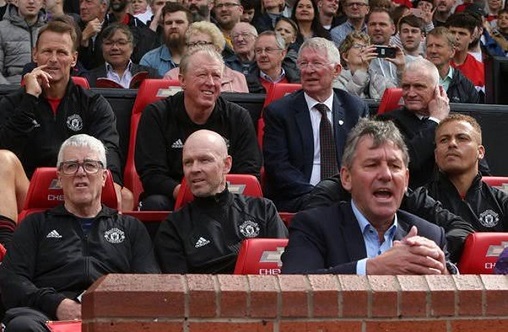
Without an overarching football strategy, the club fell into a chaotic cycle of tactical change. Each new manager arrived with a different philosophy, often dismantling what the previous coach had built. David Moyes favoured a more direct approach, while Louis van Gaal introduced a rigid possession-based system. When Van Gaal’s style proved too cautious for some supporters, the board turned to José Mourinho’s more pragmatic approach.
After Mourinho’s relationship with the club deteriorated, United made a nostalgic return to Ole Gunnar Solskjær’s counter-attacking style, before appointing Ralf Rangnick on an interim basis. Rangnick advocated high-intensity pressing, a demanding system that exposed the squad’s limitations. Subsequent attempts by Erik ten Hag and Ruben Amorim to implement their own tactical systems further highlighted the disconnect between managerial philosophies and the players available to execute them.
This constant change also undermined the club’s transfer strategy. United repeatedly spent heavily to meet the immediate needs of individual managers rather than build a coherent, long-term squad. Successive coaches inherited unbalanced groups of players recruited for different styles of play.
Defenders suited to a deeper defensive line were expected to operate in a high press, while players accustomed to a slower build-up were required to adapt to more intense systems. To make matters worse, contract extensions were sometimes granted to protect players’ market value, leaving the squad burdened with high earners who were difficult to sell.
When Michael Carrick took charge, his appointment initially offered a sense of relief, calm and tactical clarity. However, nostalgia and short-term improvements cannot permanently mask deep structural flaws.
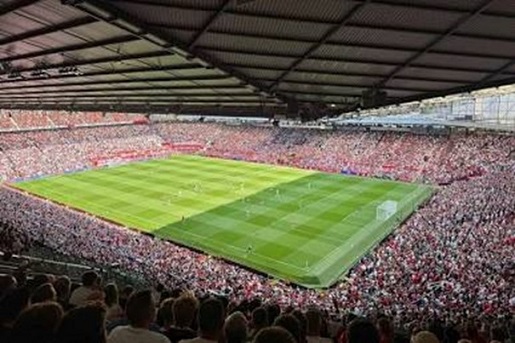
The club’s underlying problems have resurfaced, with United enduring an eight-game winless run under Carrick and suffering a painful 3–0 home defeat to Bournemouth on October 25, 2026. The result left the club 16th in the Premier League, just one point above the relegation zone.
To compete with Europe’s elite again, United need far more than a beloved former player at the helm. The club’s leadership must recognise that repeatedly changing managers without addressing deeper problems in recruitment, football operations and long-term planning is a recipe for continued instability.
Supporters must also confront the reality that, until the club achieves greater alignment between its boardroom decisions and its footballing ambitions, no quick managerial change will restore Old Trafford to its former heights.
About the author
Rev. Fr. Desmond Uriel Nii Okine Quaye has a multidisciplinary background in theology, journalism, marketing and public relations. His professional experience reflects an interest in both spiritual and secular pursuits, supported by academic training and practical experience.
