
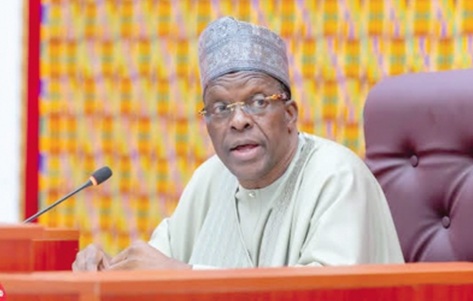
Parliament will begin its plenary sittings at 2pm on Tuesdays, Wednesdays, Thursdays and Fridays under a new directive issued by the Speaker, Alban Sumana Kingsford Bagbin.
This is aimed at introducing a fixed starting time for parliamentary proceedings, improve punctuality and give Members of Parliament (MPs) and other stakeholders a predictable schedule for conducting the business of the House.
Announcing the decision in Parliament on Tuesday (Nov 11, 2026), Mr Bagbin said the House had, over the years, started its sittings at different times, including 10am, 12noon, 2pm and, on some occasions, as late as 3pm.
He said the inconsistent starting times had made it difficult for MPs, parliamentary committees, ministers and other stakeholders to organise their activities.
"The time has come for us to settle on a more consistent and predictable arrangement," he said.
Under the new arrangement, parliamentary committees will use the morning hours to consider matters referred to them, scrutinise bills, conduct inquiries, engage stakeholders and prepare reports for presentation to the House.
Mr Bagbin explained that the decision to start plenary sittings at 2pm did not mean Parliament would begin its working day in the afternoon.
"The morning hours remain an important and productive part of that day, dedicated principally to committee work and other parliamentary responsibilities," he stated.
He urged committee chairpersons and members to use the morning hours effectively to consider referrals and submit their reports within the stipulated deadlines.
The Speaker said the arrangement would also give ministers and public officials time to attend to their executive and administrative responsibilities in the morning before appearing in Parliament in the afternoon.
He was quick to point out that the new sitting time would not affect the constitutional obligation of ministers and public officials to appear before the House whenever required.
On punctuality, Mr Bagbin said morning traffic congestion, particularly for MPs who travelled long distances to Parliament, had been one of the challenges affecting the timely commencement of proceedings.
He said the fixed 2pm starting time would allow MPs to organise their mornings, attend committee meetings and undertake constituency and other parliamentary duties before reporting to the chamber.
He cautioned, nevertheless, that the new arrangement must not provide an excuse for further delays in starting proceedings.
"A certain time of 2pm must mean precisely that. It must not become an invitation to commence proceedings at 3pm or later," he warned.
Mr Bagbin said the decision was also intended to improve public access to parliamentary proceedings, particularly for Ghanaians who follow the work of the House through Parliament TV and online streaming platforms.
He explained that the afternoon sitting time would enable more people to follow proceedings after their day's work or on their return home.
The Speaker also said a fixed starting time would help the Business Committee, committee chairpersons, the Parliamentary Service, ministers and other stakeholders to plan parliamentary activities and schedule business ahead of time.
The directive is based on Orders 5 and 55 of Parliament's Standing Orders.
Order 5 empowers the Speaker to interpret the Standing Orders where there is doubt and determine procedural matters not expressly provided for, while Order 55 sets out the sitting days and duration of parliamentary sittings.
Under Order 55, Parliament ordinarily sits on Tuesdays, Wednesdays, Thursdays and Fridays, with each sitting lasting five hours.
Mr Bagbin said the new arrangement would not change the existing sitting days or the five-hour duration of ordinary sittings.
This means sittings beginning at 2pm would ordinarily end at 7pm, although the Speaker has the authority to direct sittings outside the prescribed period when parliamentary business requires.
He directed the leadership of the House and the Business Committee to schedule parliamentary business in accordance with the new arrangement to facilitate the consideration of bills, motions, committee reports and other matters.
The parliamentary committees are also expected to use the morning hours for their work, while the Clerk to Parliament is to communicate the directive to ministers, relevant public institutions and other stakeholders.
The latest directive follows an earlier attempt by Parliament to introduce afternoon sittings.
In October 2025, the House reversed its decision to begin sittings at 2pm and returned to the 10am starting time after concerns were raised about possible health and security risks to MPs, parliamentary staff and visitors.
The arrangement had also attracted concerns over late adjournments and poor attendance.
The Business Committee at the time indicated that the afternoon sitting arrangement had not achieved the expected improvement in participation in parliamentary business.
Mr Bagbin said the success of the arrangement would depend on MPs observing punctuality and discipline and making effective use of parliamentary time.
"The purpose of this direction is simply to make Parliament work better," he said.
