
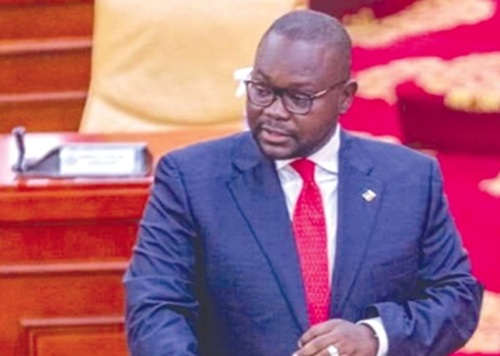
The Member of Parliament (MP) for Bantama, Francis Asenso-Boakye, has challenged the government to demonstrate how the improving economic indicators it has touted are translating into tangible relief for households, traders and small businesses.
He said although key macroeconomic indicators might suggest an economic recovery, many Ghanaians were yet to experience its benefits in their daily lives, citing rising rents, high food prices and stagnant incomes as persistent challenges.
Contributing to the debate on the 2027 Budget in Parliament last Friday, Mr Asenso-Boakye said the success of the government’s economic policies should be measured not only by headline figures but also by their impact on the living conditions of ordinary citizens.
Beyond the figures
“Mr Speaker, it is important that we move beyond the headline economic indicators and ask a fundamental question: What do these improvements mean for the ordinary Ghanaian?” he asked.
He said the key considerations should be whether households were experiencing relief, small businesses were recording improved sales and young people were securing employment.
According to him, improvements in inflation, exchange rates and other economic indicators would have little meaning if they did not translate into increased purchasing power and better living conditions.
He said many families continued to struggle with the cost of food and accommodation, while their incomes had failed to keep pace with rising living expenses.
“When a family goes to the market and still struggles to afford basic food items, it becomes difficult to convince that family that the economy has improved,” he said.
Traders struggling
Mr Asenso-Boakye also drew attention to the difficulties confronting small businesses, describing them as a major source of employment and livelihoods.
He cited complaints from traders in Bantama about low patronage, saying the situation raised questions about whether the reported economic improvements were stimulating business activity at the local level.
He said traders depended on daily sales to provide for their families, pay their children’s school fees and meet utility bills, making low patronage an immediate threat to their livelihoods.
“The question is not simply whether the economy is growing.
The question is whether the growth is creating opportunities for people to earn a decent living,” he said.
Graduate unemployment
The Bantama MP further expressed concern about the employment prospects of young graduates, saying many continued to struggle to secure jobs despite completing tertiary education.
He said economic progress must be reflected in the creation of decent and sustainable employment opportunities, particularly for young people entering the labour market.
He questioned the meaning of economic recovery to graduates who, after years of education and acquiring qualifications, remained unemployed.
Mr Asenso-Boakye said an economy could not be considered to be performing well if traders struggled to sell, businesses struggled to remain open and households continued to find it difficult to make ends meet.
