
The Gender Centre for Empowering Development (GenCED) has called on the government and the Constitution Review Implementation Committee (CRIC) to prioritise political-finance reforms in Ghana’s constitutional reform agenda to ensure equitable access to political leadership.
It said democratic inclusion would remain elusive if participation in politics continued to depend heavily on personal wealth, financial networks and access to patronage.
In a statement issued in response to the government’s position on the recommendations of the Constitution Review Committee (CRC), the organisation welcomed proposals to strengthen political-party and campaign-finance regulation, including the establishment of a Political Parties Regulatory Commission (PPRC).
However, it stressed that the success of the proposed reforms would depend on the independence, enforcement powers and institutional capacity of the regulatory body.
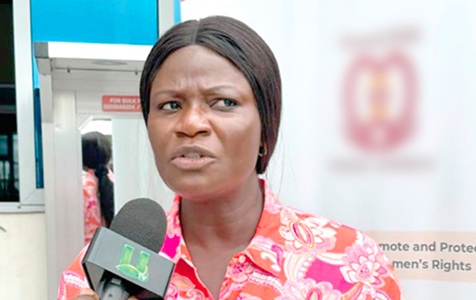
The Executive Director of GenCED, Esther Tawiah, said political-finance reform should go beyond electoral accountability to address the financial obstacles preventing women, young people and persons with disabilities from competing for political positions.
She cited the organisation’s research, The Price to Participate: How Money Undermines Women and Youth’s Political Participation in Ghana, which engaged 99 key informants across the Greater Accra, Ashanti, Savannah and Western North regions.
The research identified nomination and filing fees, vote-buying, patronage, delegate mobilisation and campaign expenditure as some of the financial barriers confronting aspiring political leaders.
It also highlighted the additional challenges women face, including unpaid care responsibilities, transportation costs, security concerns and limited access to established political and financial networks.
“We cannot build an inclusive democracy while the ability to participate in politics remains heavily dependent on personal wealth, financial networks and access to patronage,” Ms Tawiah said.
Democracy Fund
GenCED also welcomed the government's acceptance in principle of a Democracy Fund to support political parties but urged that its allocation be guided by transparent criteria and enforceable accountability measures.
It said resources intended to support women, young people and persons with disabilities must reach the intended beneficiaries, warning that without proper monitoring and sanctions, the fund could reinforce existing inequalities.
The organisation further called for the proposed PPRC's mandate to cover internal party elections, nomination processes, candidate financing, allocation of party resources and disclosure of political donations.
Gender-responsive reforms
GenCED urged the government and Parliament to introduce permanent measures to reduce financial barriers, particularly nomination and filing fees, and strengthen regulation of campaign expenditure, political donations and internal party financing.
It said the reforms should also align with the Affirmative Action (Gender Equity) Act, 2024 (Act 1121), to advance women's representation in political leadership.
The organisation called on the CRIC to incorporate political-finance reforms into the constitutional reform implementation roadmap and facilitate consultations with women's rights groups, youth organisations, persons with disabilities, political parties, the Electoral Commission and civil society.
