
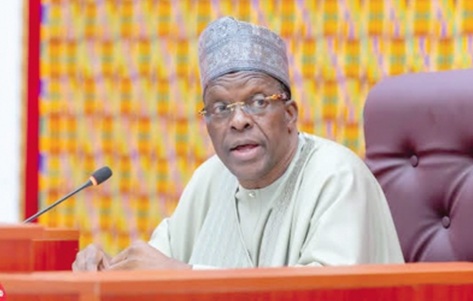
Parliament is to introduce a biometric attendance system and electronic voting to strengthen accountability among Members of Parliament (MPs), the Speaker, Alban Sumana Kingsford Bagbin, has announced.
The measures, he said, would improve transparency in parliamentary proceedings and establish more reliable records of members' participation. They form part of efforts to modernise Parliament's operations and reinforce public confidence.
Discipline and accountability
Addressing the House at the start of the Third Meeting of the Second Session of the Ninth Parliament in Accra last Tuesday, Mr Bagbin said the biometric system would "provide a verifiable record of MPs' presence, while electronic voting will introduce a technology-based process for recording their decisions".
The traditional attendance register will be discontinued.
So far, 258 MPs have been enrolled, while caucus whips have been directed to assign seats to members to facilitate implementation.
Electronic voting will be piloted during the meeting and is expected to make decision-making on the floor more transparent and reliable.
New Budget Bill
The Speaker said the House was preparing a new Budget Bill to strengthen its oversight of public finances and reinforce its constitutional authority over the approval and scrutiny of government expenditure.
The proposed law, he said, would provide a clearer legal framework for Parliament's "power of the purse" and for examining government budgets.
Strengthening Parliament's financial oversight, he added, was essential to ensuring that public resources were managed responsibly and that the Executive remained accountable for its spending.
Consensus on constitutional reform
Mr Bagbin also urged the Majority and Minority caucuses to build bipartisan consensus on proposed amendments to the 1992 Constitution, warning that partisan disagreements could frustrate reform.
He said the Attorney-General and Minister of Justice was expected to present a comprehensive Constitution Amendment Bill seeking changes to several non-entrenched provisions.
"I urge leadership on both sides of the House to commence the necessary consultations and engagements to facilitate consensus-building on the proposed amendments," he said.
A Constitution for all
More than three decades after the Constitution came into force, the Speaker said, it was appropriate to identify provisions needing refinement to meet the changing aspirations of Ghanaians.
"Constitutional reform must not become another arena for partisan contestation because the Constitution belongs to the people of Ghana," he stated.
"It is the property of neither the government nor the opposition."
He cautioned that differences over particular amendments should not obstruct reforms where broad agreement existed, and urged MPs to approach the matter with open minds and a spirit of accommodation.
Existing Bill unaffected
Mr Bagbin clarified that the anticipated bill would not affect the Constitution of Ghana (Amendment) Bill, 2026, already before Parliament, which seeks to address dual citizenship and eligibility for public office.
History, he said, would judge the current Parliament by its ability to work together.
"Let us demonstrate that, when the national interest demands it, this House is capable of speaking with one voice," he said.
