
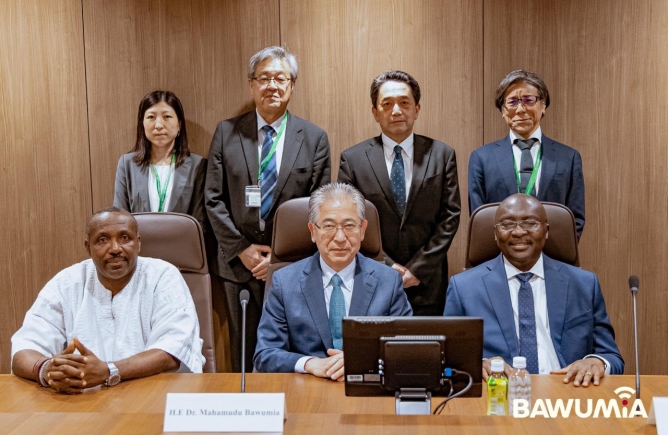
The flagbearer of the opposition New Patriotic Party (NPP), Dr Mahamudu Bawumia has called for all political parties in Ghana to commit to long-term national masterplans for critical sectors of the economy, arguing that development programmes must continue regardless of which party wins political power.
He said Ghana must adopt Japan's approach to long-term development planning, where governments build consensus around national plans and commit to implementing them over several decades rather than abandoning them when political power changes hands.
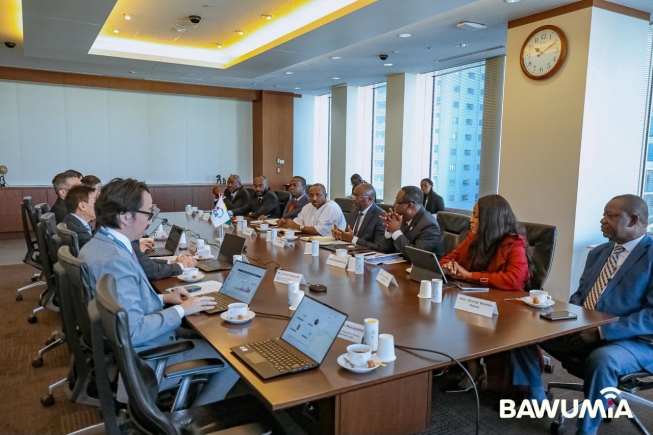
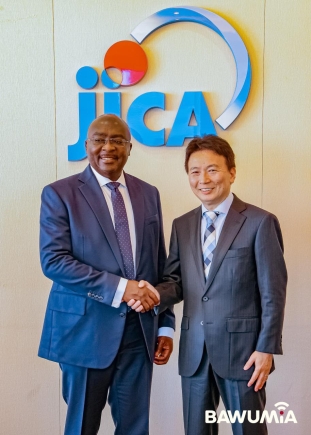
Dr Bawumia made the proposal after his final day of formal engagements in Japan, where he held meetings with the Japan International Cooperation Agency (JICA), Nippon Koei, CTI Engineering and Oriental Consultants Global.
The engagements focused on disaster risk reduction, coastal erosion, flood mitigation, transport planning and the development of masterplans for cities.
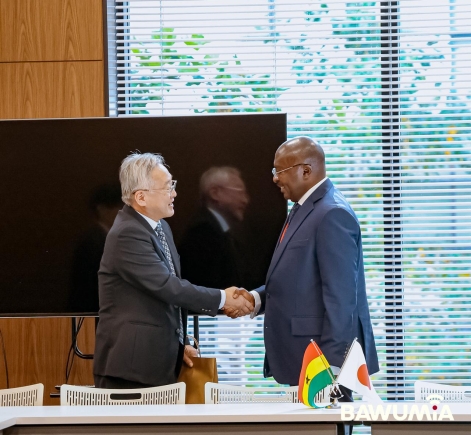
According to the former Vice-President, Japan's approach to development planning stood out during the discussions, particularly its commitment to long-term projects that extend beyond the tenure of individual governments.
He noted that the Japanese model involves building consensus around development plans and committing to their execution over periods of up to 30 years, making it less likely for incoming governments to abandon projects started by their predecessors.
"Japan takes the long view. They build consensus around a plan and then commit to executing it over 30 years," Dr Bawumia said.
He identified this as a major difference between Japan and Ghana, where, he argued, several critical sectors lack agreed national masterplans that successive governments are committed to implementing.
"That is a major difference between Japan and Ghana," he stated.
Dr Bawumia said Ghana needed to change its approach by developing comprehensive masterplans in key areas of national development and securing the commitment of all political parties to their implementation.
He specifically mentioned coastal erosion, flood control and public transport as sectors that require agreed national development plans that would not be discarded following a change of government.
He proposed that all political parties formally sign up to such plans to ensure that they become national commitments rather than the development agenda of individual administrations.
"Let us have agreed masterplans in areas such as coastal erosion, flood control, and public transport - and let all political parties sign up to them," he said.
He added that the commitment must be such that the plans would be implemented to completion irrespective of which political party forms the next government.
"So that no matter who forms the government, the plan will be executed until it is completed," he stated.
He explained that his proposal seeks to address one of the recurring challenges in Ghana's development process: ensuring continuity in major national projects and policies beyond the four-year electoral cycle.
Dr Bawumia believes Ghana can avoid the disruption of critical projects following changes in political leadership and establish a more consistent approach to national development.
