
A private hospital is planning to establish an oxygen producing plant at Kumdi in the Kpandai District of the Northen region.
Currently all hospitals and health facilities along the Eastern corridor get their supply of medical oxygen from Tamale and Kumasi.
But the Titus Medical Centre in Kumdi says it was planning to establish a plant to produce between 200 and 500 litres of oxygen per day in its initial phase.
This, when it happens will help provide a closer supply source for facilities that currently depend on deliveries from Tamale and Kumasi and also help address persistent shortages and delays in accessing it.
The initiative, alongside plans to construct an operating theatre, is part of efforts by the medical centre to strengthen emergency healthcare delivery and expand access to specialised treatment in rural communities in the Kpandai District.
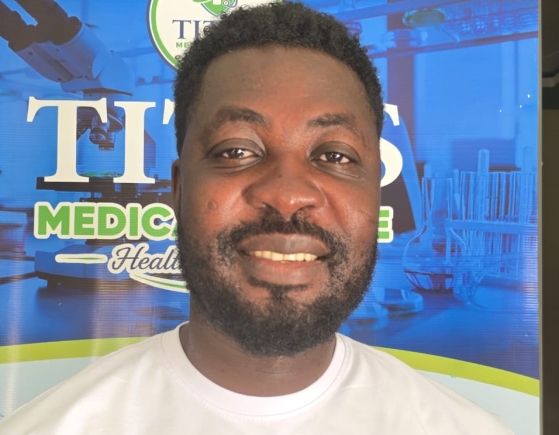
The Chief Executive Officer of Titus Medical Centre, Stephen Lee Demuyakor told Graphic Online’s Simon Unyan that the proposed expansion of the facility had become necessary as patient numbers continued to increase, putting pressure on the centre's existing infrastructure and medical equipment.
He said the facility's admissions, which previously stood at about 50 within three days since it opened in May 2026, had increased to between 150 and 200 a week.
Snakebite victims
For farmers in the Kpandai District, a snakebite can turn an ordinary day on the farm into a fight for survival. The cost of treatment and long journeys to distant hospitals can delay medical attention, particularly for families unable to afford urgent care.
The Titus Medical Centre since opening in May 2026 has been offering a lifeline to victims by providing free snakebite treatment, however, the high cost of antivenom is threatening the sustainability of the initiative.
For Manan Daniel, a farmer who suffered a snakebite, the facility's intervention was crucial to his recovery.
He received medication and injections without charge, easing his initial fear that he would be unable to afford treatment.
The CEO of Titus, Stephen Lee Demuyakor told Graphic Online that snakebites remained a major concern in the district because most residents depended on agriculture for their livelihoods.
He explained that the decision to provide free treatment was informed by the emergency nature of snakebites and the financial difficulties confronting many rural households.
Antivenom costs and treatment
He said despite the centre's efforts, the cost of antivenom remains a major challenge.
Mr Lee said the facility relied on personal funds and contributions from family members, friends and well-wishers to purchase antivenom and other medicines.
He therefore appealed to the government, non-governmental organisations (NGOs), development partners and other donors to help secure a reliable supply of recommended antivenom for the centre.
