
The Ministry of Health (MoH) has undertaken significant reforms to strengthen health training institutions, improve the quality of health professional education and build a competent workforce capable of delivering quality healthcare services across the country.
The Deputy Minister of Health, Dr Grace Ayensu-Danquah, said some of the key reforms included the introduction of PhD scholarships for nursing instructors, the introduction of fully supported PhD scholarship opportunities for nursing instructors to enhance faculty capacity, promote research and innovation and improve the quality of teaching in health training institutions.
Similarly, she mentioned the introduction of specialist nurses' programmes in critical areas of health care to produce highly skilled nurses capable of addressing Ghana's growing burden of specialised health conditions and improving patient outcomes.
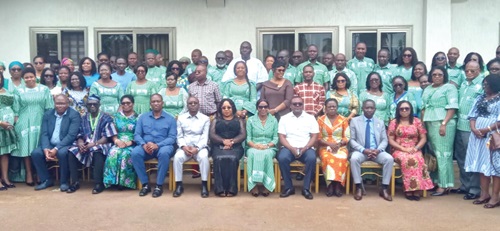
Dr Ayensu-Danquah, who is the Member of Parliament for Essikado Ketan Constituency in the Western Region, made the remarks at the opening ceremony of the annual health training institutions conference in Ejusu in the Ashanti Region.
The five-day conference was on the theme: “Bridging pathways and harmonising entry standards for quality advanced health training.”
Additionally, she stated that the ministry had introduced the Bachelor of Science programme in public health nursing in 14 nursing training colleges to expand opportunities for advanced professional education, strengthen the competencies of graduates and improve quality healthcare delivery, among others.
Commitment
She said the ministry remained committed to strengthening Ghana's health workforce to ensure equitable access to quality healthcare services and accelerate the country’s progress towards universal health coverage.
In achieving this vision, she said it required an admissions process that was transparent, objective, merit-based and responsive to the country's health workforce needs and urged principals of health training institutions to ensure that the admission process achieved the desired outcomes.
She emphasised the importance of maintaining public confidence in the admission process, saying “transparency, accountability and consistency were essential in preserving the credibility of our institutions and ensuring that the most qualified candidates are selected”.
Allied Health
The Registrar, Allied Health Professions Council (AHPC), Dr Shirazu Issahaku, stated that by 2028, a total of 102,000 allied professionals were expected to be trained in the country although just about 21,000 allied health professionals were employed.
He expressed worry that about 44,000 allied health professionals were unemployed and indicated that in a bid to address the situation, this year no school would be indexed beyond 50 students.
“We have also taken the decision to limit regulatory mandate to only diploma and degree holders. If you train anyone outside these two brackets, unfortunately, they will not be considered,” he told the principals.
In a remark, the President, Conference of Heads of Health Training Institutions (COHHETI), Jemima Fati Ackon, appealed to the government to provide facilities such as skill acquisition laboratories, lecture halls and dormitories to make them ready for their transition into degree-awarding institutions.
Writer’s email:
