
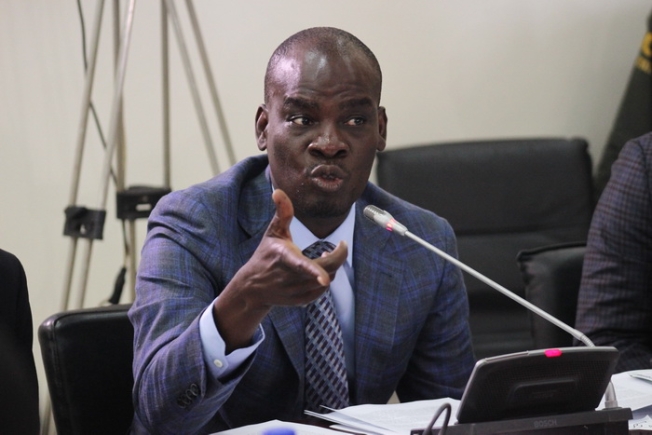
The Minister for Education, Haruna Iddrisu, has defended the directive barring Junior High School (JHS) 1 and 2 pupils from sitting the Basic Education Certificate Examination (BECE) ahead of schedule, stating that the decision was based on advice from the Computerised School Selection and Placement System (CSSPS) review committee.
He explained that the directive is intended to protect the integrity of continuous assessment, which forms an integral part of the BECE.
In an interview on Accra-based Joy FM on Wednesday, November 25, 2026, Mr Iddrisu noted that the committee, chaired by a headmaster, had advised the ministry on the matter. He commended the committee for its work and stated that the directive was in line with its recommendations.
Integrity of continuous assessment
Mr Iddrisu questioned how continuous assessment scores were obtained for pupils who left JHS 1 or 2 to sit the BECE early, stating that the practice raised concerns about the integrity of the assessment process.
“It means someone somewhere cooks the continuous assessment for that child,” he said.
He described the practice as wrong and reiterated that continuous assessment was an integral part of the BECE, which must be protected.
Respect for rules
The Minister stated that allowing pupils to sit the examination ahead of schedule breached established rules, regulations and standards. He emphasised that children must not be encouraged at an early age to disregard rules and regulations.
“We are seeking to build a country, and the future of that country is in this human capital. Let not be emotional about it,” he said.
Exceptions for gifted pupils
The host cited a ministry statement which estimated that about 5,000 candidates attempted the BECE ahead of schedule every year and asked whether they were not gifted pupils. Mr Iddrisu responded that the number was considerable and could increase if the practice were encouraged.
He maintained that exceptions should not be encouraged, but noted that gifted pupils could be considered for exemption through an approval process involving the headmaster, district director and regional director, followed by a recommendation to the Ghana Education Service (GES).
Sanctions
Mr Iddrisu warned that district directors, regional directors and headmasters who facilitated early examination sittings would also face consequences.
He stated that the ongoing discussion could help inform public policy and invited anyone with a better proposal to share it.
