
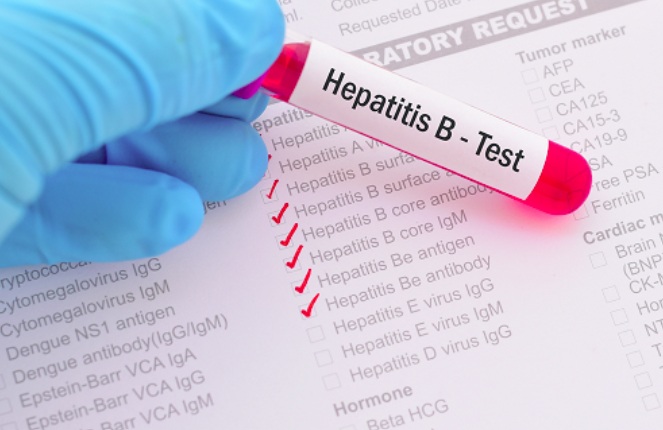
The United States Food and Drug Administration (FDA) has approved Hibsago, a new chronic hepatitis B treatment that may allow some patients to maintain viral control after stopping all hepatitis B therapy.
The drug, chemically known as bepirovirsen, is the first FDA-approved antisense oligonucleotide for chronic hepatitis B. It is approved for use in combination with existing antiviral therapy to treat the infection in certain adults without cirrhosis.
Hibsago is indicated for adults who have been taking hepatitis B antiviral therapy for at least six months, have suppressed levels of the virus in their blood, and have hepatitis B surface antigen levels of 3,000 international units per millilitre or less, as determined by an FDA-authorised test.
"For many people living with chronic hepatitis B, treatment can mean taking antiviral medication for years to keep the virus suppressed," said Dr Wendy Carter, Acting Director of the Office of Infectious Diseases in the FDA's Center for Drug Evaluation and Research. "Hibsago provides a new treatment approach that gives some patients the possibility of maintaining control of the virus after all chronic HBV treatment has ended. This approval represents an important advance for people living with this serious disease."
How it works
Chronic hepatitis B is a long-term liver infection caused by the hepatitis B virus. Over time, the infection can lead to serious liver disease, including cirrhosis, and increase the risk of liver cancer. Hibsago works by targeting the genetic instructions the virus uses to make copies of itself and viral proteins, helping reduce the amount of virus and hepatitis B surface antigen in the body.
The FDA also authorised the Roche Elecsys HBsAg II quant II RxDx assay as a companion diagnostic device to aid in the selection of patients for treatment and to assist in monitoring them throughout the course of treatment.
Clinical trial results
Researchers studied Hibsago in two clinical trials that compared it with a placebo. The drug is injected under the skin for up to 24 weeks. Patients take it alongside their existing hepatitis B medicine and continue that medicine for at least 24 weeks after their last Hibsago injection. Some patients may then be able to stop their existing medicine if they meet certain health and laboratory test requirements.
Across the two trials, 24 per cent of patients who received Hibsago met the requirements to stop their existing medicine, compared with none who received placebo. Twenty-four weeks after stopping all hepatitis B treatment, 19 per cent of patients who received Hibsago still had the virus under control, and hepatitis B surface antigen could not be detected in their blood.
In clinical trials, bepirovirsen helped nearly one in five patients achieve undetectable levels of the hepatitis B virus and remain off antiviral treatment for at least six months.
Safety warnings
Hibsago carries a boxed warning for serious liver reactions as well as low platelet counts, which can increase the risk of potentially life-threatening bleeding. It also has warnings for worsening kidney function, serious inflammatory adverse reactions such as vasculitis, and serious risks if the injection is not administered properly. Patients require regular blood tests and follow-up with their healthcare provider before and during treatment to monitor these risks. The most common side effects, excluding laboratory abnormalities, are injection site reactions, fever, fatigue and headache.
Global context
Hepatitis B is a serious liver infection that can lead to liver damage and cirrhosis, or scarring of the liver. The virus spreads through infected bodily fluids such as blood, saliva and semen. More than 250 million people globally live with chronic hepatitis B, and current standard-of-care treatments help only one to four per cent of patients clear the virus for a sustained period, or achieve what doctors call a functional cure.
Nucleotide analogues, a widely used class of hepatitis B treatments, are often taken for life and suppress the virus but rarely eliminate it.
The FDA granted Hibsago Fast Track and Breakthrough Therapy designations as well as Priority Review. The approval was granted to GSK plc. The drug has already secured approval in Japan and is under regulatory review in China and Europe. It was licensed from rare disease drugmaker Ionis Pharmaceuticals.
Under new CEO Luke Miels, GSK is aiming to speed up the development and launch of new medicines ahead of looming patent expirations on its blockbuster HIV drugs. The company expects peak annual sales of more than £2 billion for the drug and is central to its plans to reach more than £40 billion in annual revenue by 2031.
US biotech Aligos Therapeutics is developing a rival hepatitis B therapy, pevifoscorvir sodium, which is being evaluated in a mid-stage trial.
