
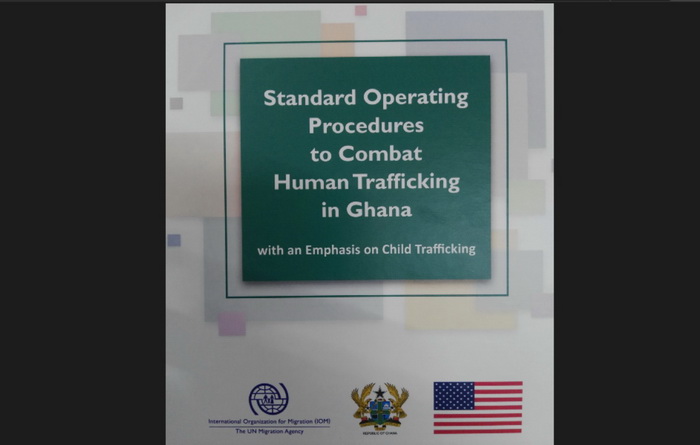
International Justice Mission (IJM) Ghana has called for increased funding for child protection and survivor support services, warning that limited shelter capacity and continuing child exploitation remain major challenges despite Ghana’s upgrade to Tier 1 in the 2026 United States’ Trafficking in Persons (TIP) Report.
The organisation, that protects the Vulnerable and people living in poverty from violence and exploitation, said the improvement in Ghana’s anti-trafficking performance should prompt greater investment in frontline institutions, survivor care and efforts to prevent the exploitation of vulnerable children and adults.
In a press statement issued on Friday, October 9, 2026, IJM Ghana congratulated the government and other stakeholders on the reported elevation from Tier 2 to Tier 1 in the US Department of State’s annual assessment of countries’ efforts to combat human trafficking.
IJM Ghana’s Director of West Africa Programme, Anita Budu, said the achievement reflected coordinated action by government agencies, civil society organisations and development partners.
“Ghana’s elevation to Tier 1 status is a significant national achievement that reflects the power of coordinated action and collective commitment,” she said.
She, however, warned that children and vulnerable adults remained at risk of trafficking and exploitation, urging stakeholders to build on the reported progress to protect victims and hold offenders accountable.
According to the statement, Ghana prosecuted 212 alleged traffickers and secured 28 convictions during the reporting period. It also said authorities identified 2,331 trafficking victims and referred all of them to appropriate services.
The statement cited increased government funding for victim assistance and anti-trafficking initiatives, expanded training for frontline officers and stronger international cooperation among the measures contributing to the reported progress.
Commendation
IJM Ghana commended the Ministry of Gender, Children and Social Protection, particularly the Human Trafficking Secretariat, for coordinating national anti-trafficking efforts. It also acknowledged the contributions of the Attorney-General’s Department, the Ghana Police Service, the Ghana Immigration Service and the Economic and Organised Crime Office.
Parliament, the National Commission for Civic Education, the media, civil society organisations, religious groups, traditional authorities and development partners were also recognised for their roles in public education, advocacy and victim support.
Concerns
IJM Ghana said children continued to face risks of forced labour in fishing, domestic work, street hawking, agriculture, artisanal mining, quarrying and herding.
It identified child trafficking on Lake Volta as a significant concern and warned that traffickers were increasingly using technology, fraudulent job offers, online scams and deceptive migration opportunities to recruit and exploit victims.
The organisation said civil society groups remained important partners in providing shelter, supporting survivors, assisting investigations and educating communities about trafficking risks.
It called for stronger protection systems, more specialised training for law enforcement officers and improved services for survivors, particularly adults who require shelter and long-term support.
IJM Ghana urged stakeholders not to regard the reported Tier 1 status as the end of the fight against trafficking but as a basis for further action.
Background
The US Department of State’s 2026 Trafficking in Persons (TIP) Report said Ghana met the minimum standards for eliminating human trafficking under the US Trafficking Victims Protection Act.
Ghana’s previous ranking was Tier 2 in the 2025 US Trafficking in Persons (TIP) Report. The country had maintained that ranking for seven consecutive years.
Tier 1 is the highest category in the assessment and signifies that a government is considered to be fully meeting the minimum standards for combating trafficking. However, the ranking does not mean that trafficking has been eradicated or that the country has no outstanding challenges.
Countries in Tier 1 were expected to demonstrate continued progress each year to maintain the status.
Writer's email
