Human resource experts have called on employers to strengthen inclusive leadership, recognise specialist expertise and expand practical learning opportunities to help young people prepare for employment and build sustainable careers.
The calls emerged from the HR Focus Africa Conference 2026, held on Friday, October 16, in Accra under the theme “Inclusive Leadership and HR Strategies for a Diverse Workforce: A Regional Perspective”.
The conference brought together human resource practitioners and business leaders to examine equitable workplaces, technological change and the skills needed to prepare Africa’s workforce for the future.
The opening programme featured a welcome address by Dr. Mrs. Ellen Hagan, Founder and Group Chief Executive of L’AINE HR and Co-Founder of Legacy Girls’ College, with a focus on inclusive leadership, institutional growth and Africa’s workforce transformation.
During the discussion on “Reimagining Skills, Learning and Career Pathways for Africa’s Emerging Workforce”, panellists challenged the assumption that career advancement must follow a vertical route into management. They called for development and reward systems that also recognise employees who deepen their expertise as specialists.
The discussion highlighted the importance of capability mapping and skills audits to identify existing strengths and areas for development. Panellists also encouraged collaboration across departmental boundaries and investment in the skills employees need to use artificial intelligence effectively.
The Regional Head of HR for Ghana and Anglophone West Africa at Ecobank, Nixon Amoah-Awuah, called on private-sector employers to offer more internships, giving students opportunities to acquire practical skills and understand workplace expectations.
His recommendation highlighted the role employers can play in connecting classroom learning with professional experience and improving young people’s readiness for work.
The Group Head of HR and Administration at KGL Group, Phyllis Wontumi, urged academia, government and corporate Ghana to work together to ensure that curricula remain relevant to the world of work. Her contribution emphasised the need to connect education with the capabilities employers require.
The conference discussions underscored the shared responsibility of employers, government and education stakeholders in preparing Africa’s workforce. For organisations, the recommendations included assessing employee capabilities, supporting specialist progression and opening workplaces to students seeking practical experience.
Stronger collaboration between industry and academia was also identified as essential to ensuring that learning translates into employability, while broader career pathways would give emerging talent more opportunities to contribute and progress.
In a keynote, delivered by Danquah Addo Yobo, Country Manager of Newmont Ghana, he addressed “Driving Regional Excellence: Inclusive Leadership and HR Strategies for Africa’s Diverse Workforce”. The address placed leadership and people-management strategies within the broader context of Africa’s diverse working environments.
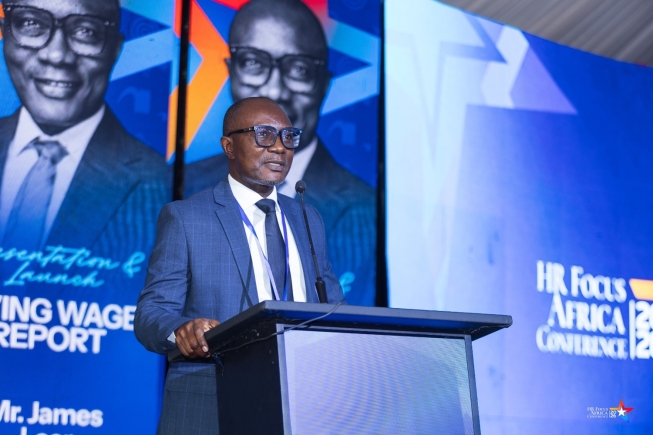
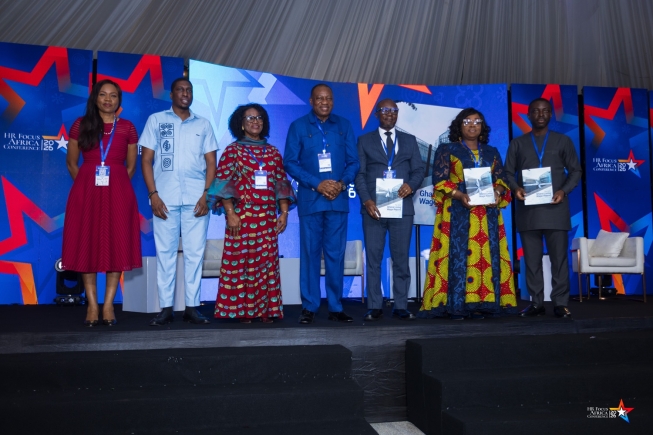
Another key highlight was the launch of the Living Wage Report by Dr. Abdul-Rashid Pelpuo, following a concise and insightful presentation by Mr. James Laar, Managing Director of L’AINE HR. The launch brought employee remuneration into the conference’s wider conversations on inclusive leadership and workforce development.
Across three panel sessions, the conference examined AI and automation, equitable workplaces, and the skills and career pathways required by Africa’s emerging workforce.