
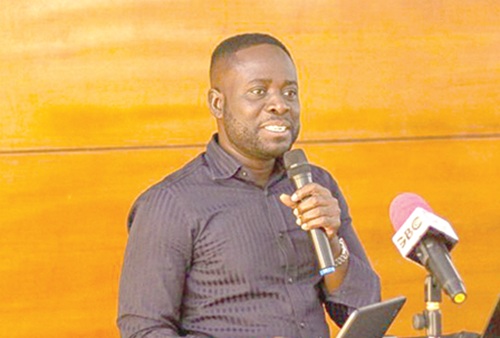
Nutrition experts and dietitians have urged the government to make healthy food more affordable as Ghana marked World Food Day on Friday, October 16, 2026.
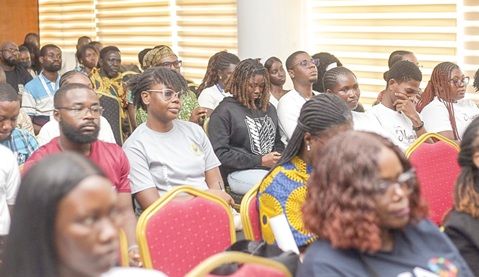
The call was made at a symposium held at the University of Ghana on the theme, "Innovate Today, Nourish Tomorrow".
According to the chairperson of the symposium and former Director of Nutrition at the Food and Agriculture Organisation (FAO), Professor Anna Lartey, about two-thirds of Ghanaians could not afford a healthy diet.
She warned that the situation undermined school performance, productivity and long-term economic growth.
Prof. Lartey advocated greater consumption of indigenous foods, including bambara beans, fonio, cowpea, millet and moringa, which she described as nutritious, affordable and climate-resilient.
"Innovation can be something you rediscover," she said.
The event was organised by the Noguchi Memorial Institute for Medical Research, the FAO, the Ghana Food Movement and Food for All Africa.
Healthy diets beyond reach
A professor of Public Health Nutrition at the Kwame Nkrumah University of Science and Technology, Prof. Reginald Adjetey Annan, said a healthy diet cost an average of GH¢24 a day, according to research led by the World Food Programme.
He said the cost remained beyond the reach of many households.
Prof. Annan cited figures indicating that only 22 per cent of children aged six to 23 months received a minimum acceptable diet, while one in two women was overweight or obese.
He also highlighted the health risks associated with increased waist circumference among men.
Policies require enforcement
Prof. Annan said Ghana had established pathways to transform its food systems by 2030, including targets to halve food loss and reduce food waste by 30 per cent.
However, he expressed concern that several policies had remained unimplemented because of weak accountability.
"There are targets in there. There are actions in there. We must call somebody to ensure that they are implemented," he said.
The President of the Ghana Academy of Nutrition and Dietetics, Rev. Prince Baidoo, called for nutrition to be declared a state of emergency to ensure that more resources were allocated to the sector.
"We want money. We want resources. We want commitment at the highest level," Rev. Baidoo said.
The Provost of the College of Health Sciences, Prof. Alfred Yawson, said World Food Day celebrations provided opportunities for policymakers and implementers to commit more resources to food and nutrition.
The Deputy FAO Regional Representative for Africa, Ayman Omer, said Africa had no shortage of agricultural innovation but greater efforts were needed to ensure that proven solutions reached farmers.
He said the use of appropriate seed varieties could increase production by 50 per cent on similar areas of cultivated land.
School feeding and local foods
The National Coordinator of the Ghana School Feeding Programme, Hajia Fati Forgor, said 1,527,000 children in 13,000 public schools were being fed under the programme at an allocation of GH¢2 per child daily.
She said the initiative had also created jobs for 40,700 caterers, about 90 per cent of whom were women.
Hajia Forgor said caterers had been encouraged to prepare indigenous meals instead of foreign dishes such as spaghetti.
A managing director of the Ghana Food Movement, Aimee Wallin, said locally available food resources could support improved nutrition and create employment opportunities for young people.
"Today is really about celebrating what we have locally, because it is enough," she said.
The symposium concluded with food demonstrations, a cooking competition and a farmers' market featuring locally produced items, including fonio and ground spices.
World Food Day was established by the FAO in 1979 to raise awareness of hunger and promote efforts towards sustainable and resilient food systems.
