
The Ghana Water Limited (GWL) says it will publish the names of people who have done illegal water connection and have also failed to report to the company after they were caught for their cases to be resolved.
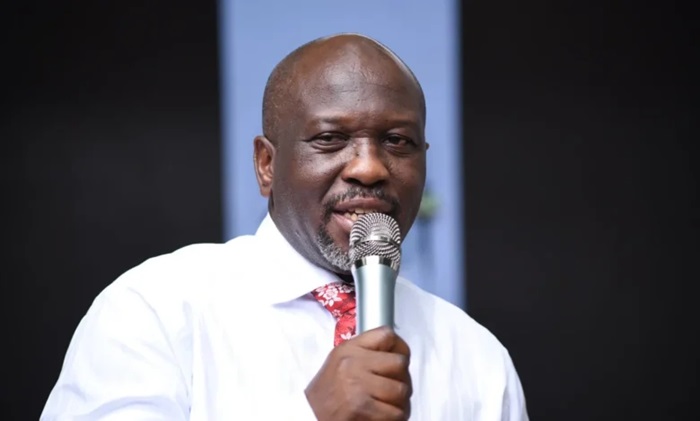
Speaking in a radio interview on Accra-based Joy FM on Wednesday [October 7, 2026], the Director of Communications at GWL, Stanley Martey said the names will be published by the end of this week.
He said some of the offenders are also expected to face prosecution, depending on the nature of their offences.
He was responding to concerns on prolonged water shortages in parts of Tema and the wider Greater Accra Region.
He said the people concerned had been “recalcitrant” in reporting to the company for their cases to be dealt with.
Mr Martey said GWL had tried to engage the offenders civilly but would take action against those who continued to act irresponsibly.
Task force
Mr Martey said GWL was working with National Security as part of a task force assisting the company with arrests linked to illegal water connections.
He cited a recent case in which the task force stopped a person involved in an illegal connection and instructed him to report to the GWL office.
According to Mr Martey, the team moved about 100 metres away to deal with another case. When the team returned 30 to 45 minutes later, the person had reconnected the illegal line.
“It’s shameful and it’s bad that we do this to ourselves,” he said.
Inline pumps
Mr Martey also raised concerns about the use of inline suction pumps by some residents to draw water directly from pipelines while GWL was pumping water through the network.
He said the practice deprived people in the same communities of water.
Responding to another complaint about “hefty bills” for people who sell water, Mr Martey said GWL did not charge customers based on whether they sold water.
He said bills were based on metered consumption and tariffs approved by the Public Utilities Regulatory Commission (PURC), with different rates for domestic, commercial and industrial customers.
Mr Martey said people who supplied water in their communities should be welcomed, adding that GWL’s concern was the use of inline pumps.
Water losses
Mr Martey said GWL’s non-revenue water stood at about 48 per cent.
Non-revenue water refers to water produced by the company but not paid for by customers.
He said GWL had set a target of reducing the figure to about 30 per cent but had not yet reached the target.
Mr Martey identified illegal connections, bypasses and meter tampering among the causes of the losses.
He also said old pipelines that broke under pressure contributed to the problem.
Water shortages
Mr Martey appealed to residents to work with GWL to address the challenges affecting water supply.
“Let’s all work together,” he said, while apologising to customers affected by the shortages.
