

The absence of reliable and predictable long-term markets is hampering efforts by local pharmaceutical manufacturers to attract investment and expand production, the Chief Executive Officer of the National Vaccine Institute (NVI), Dr Sodzi Sodzi-Tettey, has said.
He said although the country was making considerable progress in creating an enabling environment for pharmaceutical manufacturing, the lack of guaranteed markets continued to undermine the ability of local companies to secure the financing needed to scale up production.
“Manufacturers need advanced market commitments to guarantee the volumes required to convince banks that they have the capacity to repay concessionary loans,” Dr Sodzi-Tettey said.
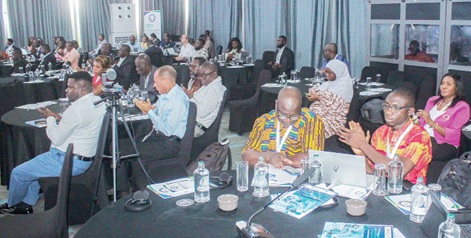
He was speaking at the start of a two-day regional meeting on the African Pooled Procurement Mechanism (APPM).
The meeting, hosted by NVI in collaboration with Africa Centres for Disease Control and Prevention, is being attended by about 60 participants from ECOWAS member states who are discussing demand forecasting, product prioritisation, procurement and financing arrangements, as well as regulatory and quality assurance requirements for participating manufacturers.
Lack of funding
Dr Sodzi-Tettey also said that some local manufacturers had spent up to two years engaging development financing institutions to secure funding but had struggled to demonstrate sufficient future revenue to convince lenders.
He said the APPM, however, offered an opportunity to address the challenges by providing African pharmaceutical manufacturers with access to a larger and more predictable market through collective procurement by participating countries.
Progress
Dr Sodzi-Tettey also said the country had made significant progress in creating an enabling environment for the pharmaceutical industry through policy interventions, tax incentives, skills development and investments in clinical research.
He described the current period as a golden era for the country’s pharmaceutical industry, following the launch of the Ghana Pharmaceutical Policy and other measures to support local production.
He cited tax exemptions on bulk materials imported for the production of anti-venom serum and tetanus-diphtheria products as evidence of the government’s support for local manufacturers.
Dr Sodzi-Tettey said the NVI had also completed a nationwide assessment of 15 clinical trial sites as part of efforts to strengthen the research infrastructure needed to support the country’s ambition of developing end-to-end vaccine manufacturing capacity.
On skills development, he announced that the institute had completed the design of the Ghana Biomanufacturing Training Consortium, which would bring together academia and industry to provide practical training for people interested in pharmaceutical and vaccine manufacturing.
Dr Sodzi-Tettey said the consortium would soon begin rolling out specialised courses to equip participants with the technical skills required by the industry.
He further said that the NVI had facilitated engagements between local pharmaceutical manufacturers and the Ghana Export-Import Bank to explore access to concessionary loan facilities.
Dr Sodzi-Tettey commended the Director of the APPM, Dr Mariatou Tala Jallow, and her team for the progress made in establishing the mechanism.
He, however, said that out of the 108 manufacturers registered under the mechanism, only 19 were from West Africa, representing about 17 per cent, while Ghana accounted for only three manufacturers, representing approximately three per cent.
Mechanism
The Director of the APPM, Dr Mariatou Tala Jallow, said the mechanism was designed to give African countries greater control over the continent’s pharmaceutical market by bringing governments, procurement agencies, regulators and manufacturers together to determine their health product needs.
She said the initiative was not another procurement platform, but a market-shaping mechanism intended to increase the share of medicines and other health products sourced from African manufacturers.
