
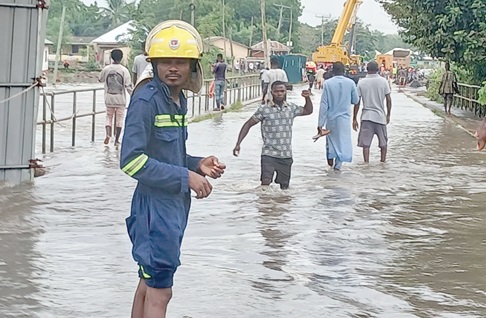
Every year around June, heavy rains turn Accra into a dangerous place.
Instead of bringing cool weather, the downpours flood major parts of Ghana’s capital. Roads turn into rivers, businesses close, and valuable property is destroyed.
Sadly, some people even lose their lives.
Flooding in Accra is no longer just a natural weather event; it is a major crisis caused by poor planning, bad habits, and choked drainage systems.
From busy markets such as Kaneshie to the Kwame Nkrumah Interchange, the city is drowning.
To understand why Accra floods, we must look at three big problems.
First, the gutters are too small.
The main Odaw River is full of thick mud and plastic trash, making it overflow within minutes.
Second, Accra is growing too fast. People are covering the soil with concrete houses and roads, so rainwater cannot sink into the ground.
Instead, it rushes onto the streets.
Third,many citizens throw plastic bags directly into gutters, while others build structures right on top of natural waterways.
The damage hurts poor families and market traders the most.
When dark clouds fill the sky, traders at Makola market get terrified.
A single morning of heavy rain can destroy their goods and stop them from feeding their families.
In lower areas like Chorkor, families stay awake all night scooping dirty floodwater out of their bedrooms.
This water mixes with sewage, spreading dangerous diseases such as cholera.
Fixing this crisis requires more than just giving out food after a disaster.
City authorities must be brave enough to demolish buildings that block the water’s path.
The city also needs bigger, modern underground pipes to carry water safely to the ocean.
Accra has so much potential, but both the government and citizens must work together before the next big storm hits.
