
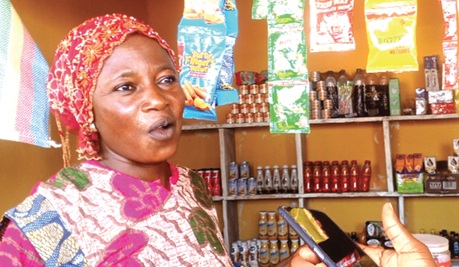
Beneficiaries of market stores constructed under the Gulf of Guinea Northern Regions Social Cohesion (SOCO) Project in the North East Region have expressed appreciation for the intervention, saying it has improved their trading conditions, enhanced security and boosted their livelihoods.
The beneficiaries, including traders at Nakpanduri and Gimbago, said the facilities had provided them with more suitable spaces to conduct business, increased trading opportunities and helped them earn incomes to support their families.
The beneficiaries made the remarks for last Wednesday, during interactions with the beneficiary communities as part of a Ghana-Togo cross-border exchange programme aimed at sharing experiences and strengthening the implementation of the SOCO Project.
Livelihoods
The Queen mother of Nakpanduri, Bokir Ramatu Jampaat, said the community was grateful for the construction of the market stores, which had improved trading conditions and enabled beneficiaries to earn decent incomes.
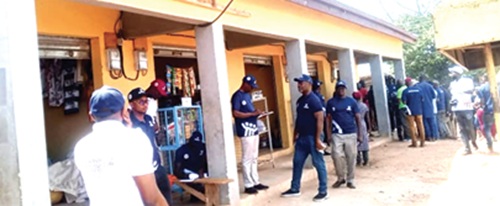
SOCO officials visited the stores
“Our most pressing need was decent market stores and I am particularly happy and short of words to express my gratitude because SOCO completed the project for us in no time and trading is ongoing there.
“My people are making decent incomes to support their families and we are grateful. I would only ask for a WASH facility to be added to make women more comfortable,” she said.
A beneficiary, Issah Maame, also expressed appreciation, saying the facilities had made business operations safer and more convenient.
“Previously, when we were operating from our containers, the conditions were not conducive and thieves could easily break in, sometimes through the ceilings and steal our goods.
This is now a thing of the past,” she said.
At Gimbago, a beneficiary of the market stores, Dubik Kambot, said the intervention had improved the livelihoods of traders and their families.
“We previously operated under very poor and uncomfortable conditions, but today, we are trading in decent market stores and enjoying the benefits of this project. We are truly grateful for this intervention and appeal for more development projects to improve our lives,” he stated.
Request for more projects
Traditional leaders and beneficiaries appealed for additional development projects to address other pressing needs in their communities.
The Regent of Nakpanduri, Naa Fedrick Loaman Kansuk, said the community needed a town water system and also appealed for support to complete and upgrade an existing health facility to hospital status, provide dining halls and boarding infrastructure for two senior high schools, improve inner roads to reduce accidents and rehabilitate the Nkrumah Guest House.
At Gimbago, the Regent, Naba Karim Bagridaa, also appealed for more market stores, accommodation for female students at a newly established school and support to improve healthcare delivery in the community.
The National SOCO Project Coordinator, Elizabeth Ohenewah Agyei, said the project remained committed to supporting beneficiary communities, subject to available resources and the established prioritisation process.
She said the concerns raised by the communities would be considered as part of the planning process for subsequent interventions.
She explained that the Ghana-Togo exchange programme was intended to enable both countries to share experiences, learn from their respective implementation approaches and identify practices that could strengthen the project.
The cross-border exchange programme brought together officials from Ghana and Togo to observe project interventions, interact with beneficiary communities and share lessons to improve implementation and strengthen social cohesion in border communities.
