
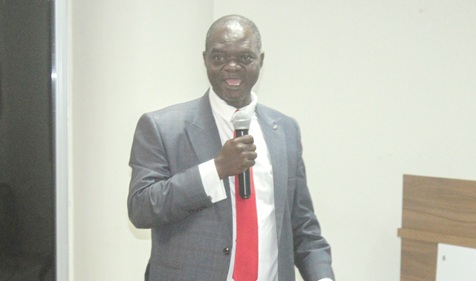
A Property Consultant, Dello-Ziem Kaaka, has cautioned prospective land owners to be wary of online, television or radio advertisements when purchasing land.
He recommended a physical examination of the property and the services of a lawyer for guidance as two key ingredients for the purchase of a trouble-free land.
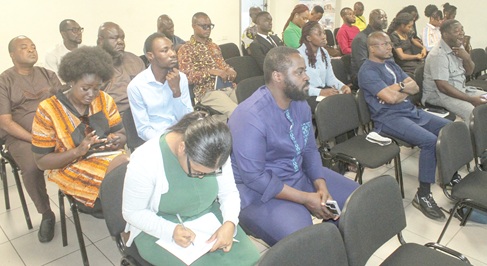
Mr Kaaka, who was addressing members of the Ghana Real Estate Developers Association (GREDA) in Accra last Friday, said payment and receipts were not enough evidence of land ownership.
The lecture was on the law governing the acquisition of land, land litigation, avoiding litigation and alternative dispute resolution.
Mr Kaaka said land litigation has soared in recent times because buyers failed to undertake due diligence and also have a modicum of understanding of the Land Act 2020 (Act 1036).
"Possession of land is not enough because it is rebuttable. Occupying or being a caretaker of a land does not make one the owner," he said.
Land Act
Taking members through the Land Act, Mr Kaaka, who is also the Founding Dean of Law at the Accra Metropolitan University, warned that per the Act, whoever dealt with land without authority could be jailed.
He said allowing an unlicensed person to prepare a conveyance as per section 33 of the ACT was illegal, adding that "Only a qualified lawyer has the power or could prepare the drafting of the conveyance because any other entity is not recognised."
Mr Kaaka said the services of lawyers were crucial in undertaking a search on ownership and the property itself.
In that regard, he advised both sellers and buyers to engage the services of a qualified lawyer before sealing the deal.
Touching on the five grounds on which a land transaction could be declared void, Mr Kaaka urged real estate developers to take note. He identified them as unconscionable bargain, which involves taking advantage of a buyer due to their peculiar circumstances; illegality and duress; fraud; mistake; and misrepresentation.
He, therefore, urged every Ghanaian to take the Land Act very seriously because "land disputes remain a major threat to Ghana's real estate development."
