
International non-governmental organisation (NGO) ActionAid Ghana has urged the government and mining companies to institute stronger measures to protect mining-affected communities from environmental degradation, water pollution and human rights abuses.
It said the economic benefits of mining must be accompanied by environmental protection, respect for human rights and measures to safeguard the livelihoods of affected communities.
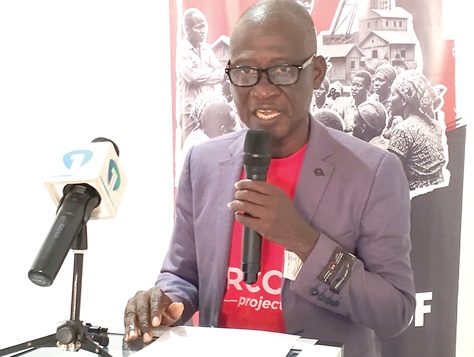
The Bono Regional Programme Manager of ActionAid, Kwame Afram Denkyira, made the call at a regional stakeholders’ consultative meeting on the Uplifting the Voices of Mining Communities (VOICES) Project in Goaso in the Ahafo Region on Wednesday.
Voices Project
The VOICES Project is a 24-month initiative funded by Comic Relief and implemented by ActionAid in Ghana, Malawi and Senegal.
In Ghana, the project is being implemented in four mining-affected districts: Asutifi North in the Ahafo Region, Mfantseman in the Central Region, Ahafo Ano South-West in the Ashanti Region and Talensi in the Upper East Region.
It seeks to strengthen the voice, agency and collective power of mining-affected communities to participate meaningfully in decisions affecting their land, livelihoods, environment and natural resources.
District mining committees
Mr Denkyira said although the mining sector contributed significantly to the national economy, affected communities must have a meaningful voice in decisions concerning their land, livelihoods, environment and natural resources.
He underscored the need for the government to speed up the process of establishing district mining committees to strengthen community participation in the management of the mining sector.
Mr Denkyira, who is also in charge of the Bono and Ahafo regions, acknowledged that the process was underway but stressed the importance of ensuring that the committees became effective platforms for community engagement and accountability.
He urged the Ghana Chamber of Mines to support efforts to integrate mining companies into local economies through local procurement, as part of the government’s local content policy.
That, the ActionAid Regional Programme Manager said, would create opportunities for local businesses, particularly along the mining value chain, and help address the enclave nature of mining, where economic activities could remain disconnected from surrounding communities.
Economic benefits
Mr Denkyira said the mining sector remained an important source of employment, foreign exchange earnings and public revenue.
Ghana’s 2024 National Annual Progress Report indicates that mineral production contributed an estimated 9.5 per cent of the country’s Gross Domestic Product (GDP) in 2024, while mineral export earnings increased by 52.7 per cent to $11.9 billion.
The earnings represented 58.4 per cent of the country’s total merchandise exports, with gold accounting for approximately $11.6 billion, or 97.2 per cent, of mineral export revenue.
However, land degradation, water pollution, loss of productive land, displacement and labour-related concerns remain among the challenges identified in the project’s background as affecting mining communities.
Mr Denkyira said the conversation about mining must go beyond production, exports and economic growth to include environmental protection, human rights and social justice, adding that communities should be recognised not merely as beneficiaries of development but as rights-holders whose knowledge and experiences must inform decisions about mineral governance.
Accountability
The Programme Officer, Yaw Osei Boateng, said the project sought to strengthen citizens’ awareness and participation in mineral governance, promote community-based monitoring and generate evidence to support accountability.
He said the project was expected to equip 80 women and young leaders with advocacy skills and establish four Community-Based Monitoring Committees to document mining-related concerns and engage duty bearers.
Mr Boateng said the initiative would also promote dialogue among mining-affected communities, traditional authorities, public institutions and mining companies to strengthen environmental accountability and encourage more inclusive decision-making in the extractive sector.
The stakeholders welcomed the initiative and pledged their support for its successful implementation.
Writer’s email:
