
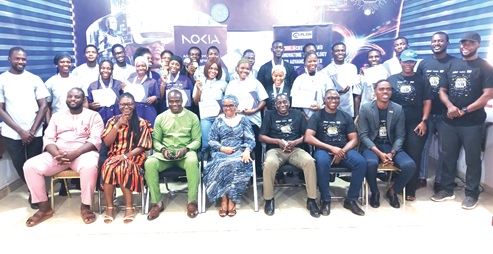
Twenty-nine young people have been equipped with digital skills to improve their employability and promote innovation through technology.
The graduates completed 12 weeks of intensive training, followed by a one-month capstone project during which they applied their knowledge to develop solutions to practical challenges.
The training covered cybersecurity, data analytics, machine learning and artificial intelligence (AI).
The second cohort of the Digital Skills Project was implemented through a partnership involving Plan International Ghana, Nokia, Next-Gen Infraco Limited (NGIC), the University for Development Studies (UDS) and Intellas, a company that specialises in the applications of artificial intelligence in information security and computer forensics.
At the graduation ceremony in Tamale, the Country Director of Plan International Ghana, Muniratu Issifu, said the project was designed to equip young people with the technical competencies, confidence and problem-solving abilities required to compete in the job market.
She said the initiative aligned with the organisation’s country strategy of creating skills development opportunities to enhance youth employability and supporting Ghana’s broader digital transformation agenda.
She said the capstone projects demonstrated the participants’ ability to apply their knowledge to real-life challenges and develop solutions capable of creating employment and entrepreneurship opportunities.
Mrs Issifu urged the graduates to build on their achievements, seek partnerships and transform promising ideas into sustainable businesses.
Digital infrastructure
The Programme Manager of Nokia, Ernest Afloe, said developing digital competencies among young people was essential to preparing them for emerging opportunities in the technology-driven economy.
He encouraged the graduates to continually upgrade their skills to keep pace with technological advancements and apply their knowledge to address challenges in their communities.
He stressed that collaboration among the private sector, educational institutions and development organisations was crucial to bridging the digital skills gap.
The Chief Operating Officer of NGIC, Nenyi George Andah, said expanding network coverage alone was insufficient to guarantee meaningful participation in the digital economy without the requisite skills.
He said the Digital Skills Project complemented investments in digital infrastructure with efforts to develop the human capacity needed to maximise the benefits of connectivity.
He added that Ghana’s ambition of becoming a digitally skilled nation could be achieved through sustained investment in the technological capabilities of young people.
