
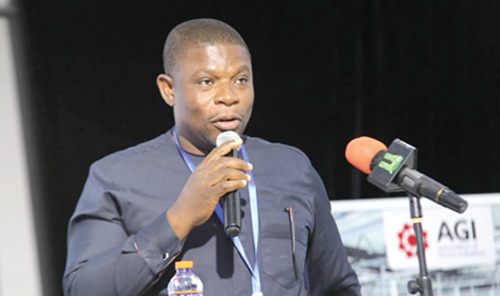
The government is working towards reducing electricity generation costs to make power more affordable and predictable for industries, the Deputy Minister of Energy and Green Transition, Richard Gyan-Mensah, has said.
He explained that measures such as reducing the renewable energy tariff from about $0.18 to $0.065 per kilowatt-hour, capping the tariff for thermal power plants at $0.10 per kilowatt-hour, clearing legacy energy-sector debts and supporting increased domestic gas supply were intended to translate into lower and more predictable electricity costs for businesses.
The deputy minister added that measures were also being implemented to mobilise €10 billion investment required to meet projected peak electricity demand of 10,000 megawatts by 2040, including investments in generation and transmission infrastructure.
At the 2026 Ghana Industrial Summit and Exhibition (GISE) in Accra, Mr Gyan-Mensah also said that the government was exploring arrangements that would enable Ghana to transmit electricity to Nigeria, alongside existing exports to Burkina Faso, Côte d’Ivoire and Togo.
“Ghana has adequate generation capacity to meet our internal demands, and we are also looking forward to adding more to meet future demands. But Nigeria has the potential to supply Ghana with additional natural gas for power generation,” he said.
Event
The energy and industrial session was held at the GISE to examine ways of building a reliable and sustainable energy ecosystem to support industrial growth.
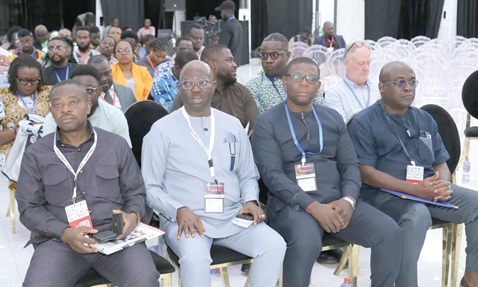
The session, which was on the theme: “Driving sustainable export-led industrial growth through energy reliability and digital innovation,” focused on ensuring stable and affordable energy for heavy industrial operations and manufacturing.
Discussants also explored the role of energy reliability in boosting local production and regional exports, while promoting sustainable value chains and green transition initiatives to meet international market standards.
Power expansion
The deputy minister said peak electricity demand was expected to increase from about 4,000 megawatts to 10,000 megawatts by 2040, with a significant portion of the additional demand expected to come from industry.
Mr Gyan-Mensah said about €8 billion of the €10 billion would be required for generation, while the remaining €2 billion would be needed to strengthen the transmission network.
He said the government was, therefore, planning to add more than 1,200 megawatts of gas-fired thermal generation capacity in the medium term to support the anticipated growth in demand.
Mr Gyan-Mensah added that investments in generation and transmission were critical to providing reliable power for industrial expansion and ensuring that the country met its domestic electricity needs and future regional export commitments.
New project
The Director of Engineering Services at the Volta River Authority (VRA), Ing Kwaku Wiafe, said the authority had completed a new power project that was already delivering electricity to the national grid.
He said the project would also incorporate a battery energy storage system to improve the reliability and flexibility of power supply.
Mr Wiafe added that VRA was also providing energy services, including energy audits, technical and management planning, compliance assessments and specialised diagnostics to help industries improve energy efficiency, reduce energy costs and enhance operational reliability.
AGI concerns
The President of the Association of Ghana Industries (AGI), Kofi Nsiah-Poku, said some manufacturers had experienced nearly 30 per cent increases in their electricity bills, which had affected their production and operating hours.
He urged the government to review arrangements governing industrial electricity costs and increase the contribution of renewable energy to the national grid to help reduce power costs and improve the competitiveness of local manufacturers.
Mr Nsiah-Poku also called for the introduction of net metering for industries.
