
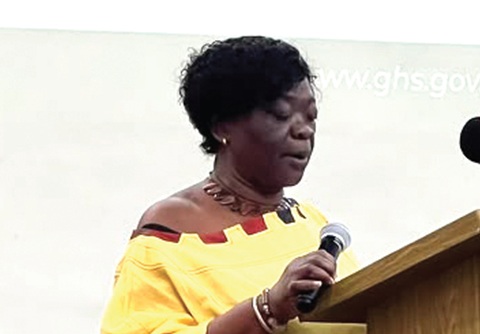
The Ghana Health Service (GHS) has launched the 2026 National Family Planning Week with a call for stronger domestic investment to secure the country’s contraceptive needs, improve access to services and sustain gains made in reproductive health.
The service said increased domestic financing was critical to building a resilient family planning programme that could meet the needs of women, men, adolescents and couples, while reducing vulnerabilities associated with dependence on external support.
The call comes as the country continues to record progress in contraceptive use, although significant unmet need remains among women and couples seeking to delay or space pregnancies.
The 2026 celebration, held on the theme: “A Choice for All: Agency, Intention, Access”, focuses on ensuring that reproductive health choices are backed by accurate information, quality services, available commodities and freedom from coercion.
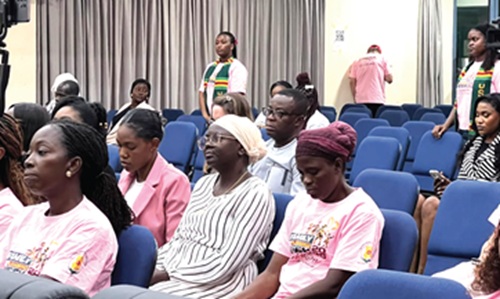
The week-long programme, which also commemorates World Contraception Day, brings together government institutions, health professionals, development partners, traditional and community leaders, civil society organisations, the private sector, academia and other stakeholders to strengthen family planning delivery across the country.
Domestic financing
Delivering the keynote address yesterday, on behalf of the Minister of Health, Kwabena Mintah Akandor, the Director of Allied Health, Dr Ignatius Awinibuno, said the country needed to translate its commitments to family planning into practical domestic resources for commodities and services.
He said the country had benefited significantly from the support of development partners, including the United Nations Population Fund (UNFPA), but needed to strengthen national ownership and financing to sustain the programme.
The sector minister said the government would continue to improve forecasting, financing, procurement, distribution and monitoring systems to ensure that contraceptive commodities were available when needed.
He said the remaining unmet need for family planning demonstrated the need for renewed action to remove barriers linked to geography, poverty, disability, age and other circumstances.
A health consultant, Dr Abigail Kyei, said family planning was not only a health issue but also connected to education, economic opportunities, family welfare and national development.
She stressed the need for available, affordable, acceptable and quality services that enable people to act on their reproductive intentions.
Dr Kyei said sustainable financing and reliable commodity security would be important as the country strengthened its domestic systems while continuing to work with development partners.
She also highlighted digital innovation, including the My Family Planning app, as an additional channel for providing reliable information, while stressing that technology should complement the role of health workers.
GHS strengthens supply systems
The Deputy Director of the GHS, Dr Caroline Reindorf Amissah, said the service was expanding access to contraceptive methods through health facilities and community-based services.
She said the GHS was strengthening commodity forecasting, procurement, distribution and stock monitoring to improve availability at service delivery points.
Dr Amissah said particular attention was being given to adolescents and young people, postpartum women, persons with disabilities and underserved communities.
She said routine health data was also being used to identify service gaps and guide planning and decision-making at national, regional, district and facility levels.
