
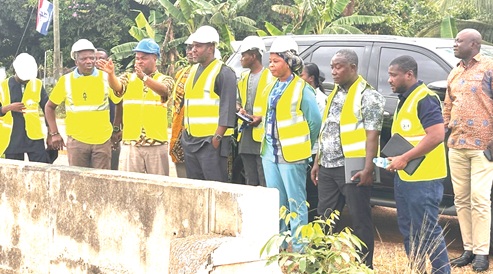
The Ghana Water Limited (GWL) Kyebi Water Treatment Plant in the Abuakwa South Municipality in the Eastern Region has remained shut for more than a year due to severe pollution of the Birim River by illegal mining activities, popularly known as galamsey.
The shutdown has deprived residents of Kyebi and surrounding communities of treated water supplied by the facility, forcing many to depend on alternative sources, including boreholes and wells, for their daily water needs.
The Birim River is the main source of raw water for the plant. However, pollution from illegal mining has significantly increased the river's turbidity, making treatment extremely difficult and expensive.
High turbidity
The GWL had earlier warned that the high turbidity levels of the raw water were making treatment costly and posed a risk of damaging equipment if pumping operations continued.
The extent of the pollution has pushed turbidity levels at the raw water intake point to more than 63 million Nephelometric Turbidity Units (NTU), far exceeding the plant's original design capacity of 200 NTU.
At a media briefing in Koforidua during a familiarisation visit by the Public Utilities Regulatory Commission (PURC) to the Kyebi and Bukunor water treatment plants, the Executive Secretary of the Commission, Dr Shafic Suleman, said the prolonged shutdown had forced residents to rely on boreholes and wells, some of which contained high levels of iron.
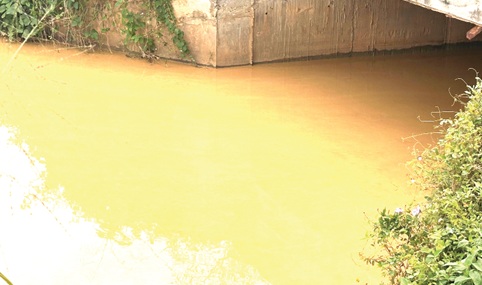
He explained that the plant's main intake source, a mountain spring located about seven kilometres from active illegal mining sites, had also been heavily polluted, resulting in high turbidity and iron levels that overwhelmed the treatment facility.
Dr Suleman called on chiefs and residents of Kyebi to help halt illegal mining activities in the area to protect the Birim River and other water bodies from further pollution.
On the Commission's performance in the region over the past year, Dr Suleman said it had received 1,330 complaints from consumers of the Electricity Company of Ghana (ECG) and GWL, out of which 1,306, representing 98.2 per cent, had been resolved.
The complaints largely concerned service delivery challenges, erratic power supply, low voltage, billing discrepancies and metering problems.
He said power fluctuations between 7 p.m. and 8 p.m. disrupted water treatment and distribution in Koforidua and Kyebi.
The Commission had consequently engaged ECG management to prioritise electricity supply during evening peak periods to improve operational stability.
Dr Suleman also said interventions to address persistent low voltage in Akim Oda had benefitted about 8,000 consumers in Ofoase, Amantia and Akokoaso.
Additionally, faulty and overloaded transformers in seven communities, including Asenanu, Asamang-Tamfoe and Asamankese, had been replaced or upgraded to meet increasing electricity demand.
Residents' concerns
A Kyebi resident, Regina Bempong, told the Daily Graphic that the plant's shutdown had severely affected access to potable water.
She said residents had been compelled to purchase sachet water for drinking and cooking and appealed to the government and GWL to restore operations.
Another resident, Cynthia Agyapong, said the situation had made it difficult for households to obtain water for drinking, cooking and washing.
She appealed to chiefs, elders and opinion leaders to join efforts to stop illegal mining and protect the community's water bodies.
