
BSTETRIC fistula pushed Seidu Amina (not her real name) to the brink of despair, as stigma and isolation made life unbearable and drove her to contemplate suicide.
The resident of Kukpaligu in the Zabzugu District in the Northern Region struggled to socialise with others because of the condition, which took a toll on her emotional well-being and affected her social life.
After undergoing treatment, however, Amina has been completely cured, bringing relief after a painful period in her life and offering hope to other women living with the condition.
Another survivor, Dana Juliana (not her real name), also endured stigma, isolation and emotional trauma while living with obstetric fistula. She eventually found relief after undergoing treatment.
The two women are among beneficiaries of an initiative by Access Bank Ghana, in collaboration with the United Nations Population Fund (UNFPA) and the Ghana Health Service (GHS), to provide treatment for women affected by obstetric fistula.
The condition
The Zabzugu District recorded 10 suspected cases in 2024 and 2025, six of which were confirmed and repaired at the Tamale West Hospital.
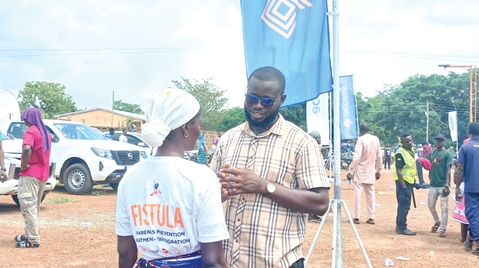
The reporter interacting with Seidu Amina, fistula survivor
This year, 39 suspected cases of obstetric fistula have been assessed so far, of which14 were confirmed and referred to the Yendi Municipal Hospital for surgical repair by a team of gynaecologists from Accra.
Also, eight other suspected cases are pending confirmation and repair.
The District Director of Health Services for Zabzugu, Victoria Teni Aboyella, mentioned home deliveries, teenage pregnancies, referral challenges and delays in seeking medical care as factors contributing to the problem.
She said some people associated the condition with superstitions and consequently shunned affected women, although obstetric fistula was a medical condition that could be treated.
She appealed to the Zabzugu District Assembly to support emergency transport for women experiencing obstetric complications and include fistula patients in its poverty alleviation programmes.
While urging traditional leaders to oppose child marriage and female genital mutilation and to encourage women to give birth in health facilities, she stressed the need for greater public awareness and improved access to skilled maternal health care to prevent new cases and ensure affected women received timely treatment.
Fistula treatment
In 2018, Access Bank Ghana launched the Fist Against Fistula initiative as part of its Corporate Social Responsibility (CSR) agenda to help restore the dignity of women living with the condition.
Implemented in collaboration with UNFPA and the Ghana Health Service, the campaign has supported more than 250 corrective surgeries across Ghana.
This year, the initiative was established as the Fistula Trust Fund to strengthen support for affected women.
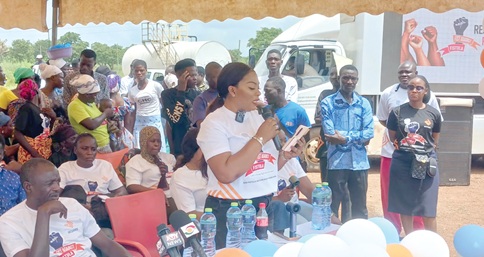
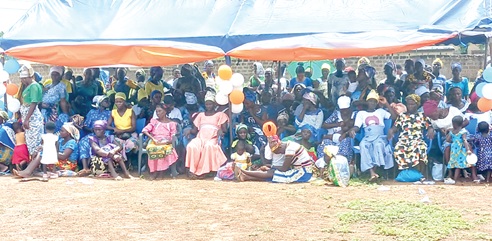
As part of efforts to raise awareness of the condition, the bank, in collaboration with its partners, organised the Fist Against Fistula awareness walk and community outreach in the Zabzugu district to raise awareness of the condition.
The Group Head of Commercial Banking at Access Bank Ghana, Beverlyn Quaynor, said the intervention went beyond surgery to help survivors reintegrate into their communities.
She said some women endured stigma, social isolation and marital difficulties because of the condition, adding that they needed understanding and support to rebuild their lives.
She stressed that obstetric fistula was a treatable medical condition and not the result of witchcraft, adding that the bank supported the cost of surgery where necessary and provided further assistance through the Fistula Trust Fund to help beneficiaries reintegrate into society.
For her part, the Head of Women Banking at Access Bank, Roselind Akko, urged the public to contribute to the initiative to help more women access treatment.
She said donations could be made by dialling *887*5727# on mobile phones or visiting any Access Bank branch.
Writer’s email:
