
Fishermen in the Western Region have suggested that trackers be procured at subsidised prices for the canoe owners to improve safety at sea.
While welcoming moves towards enhanced safety of canoe fishermen as they travel miles to sea in search of fish to help meet the protein needs of the country, the fishermen stated that these ideas must be urgently actionable.
This call follows the rescue of fishermen after an engine failure, which left them stranded at sea for almost two weeks, with the canoe drifting eastwards towards Togo and eventually being found in the waters of Benin.
Their disappearance triggered a coordinated search and rescue operation involving the Ghana Navy, Fisheries Commission, Ghana Maritime Authority, Marine Police, Ghana Air Force, fisher groups and other national and international maritime stakeholders.
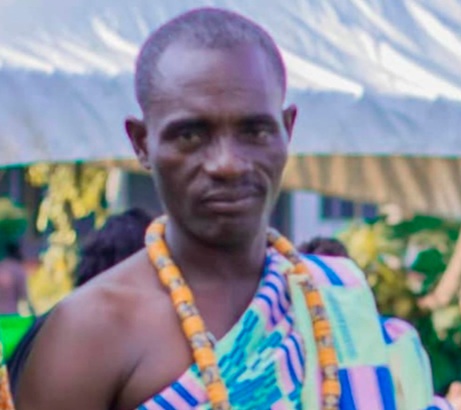
The Chief Fisherman of Ngyeresiah, Nana Kwesi Ackon, speaking in an interview after recieving the found fishermen in Sekondi said the recent incident should be the last time fishermen get stranded at sea, adding that the time had come for the introduction of modern safety technology to protect fishermen.
Technology
The fishermen said a non-governmental organisation once introduced to them a critical tracking technology which also improves mobile phone network at sea, but indicated it was expensive; therefore not all canoes have it.
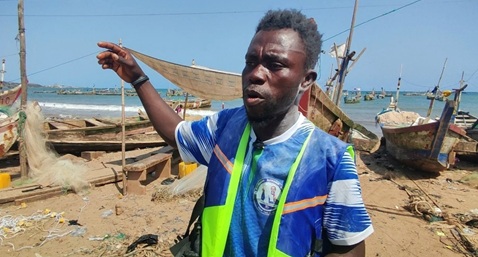
Nana Ackon said in the past, there were several instances of equipment failure at sea. “Our outboard motors developed fault; the canoe and its crew members were left at the mercy of the weather and high current at sea, often drifting fishermen eastward to Togo or Benin. I remember a missing canoe that has since not been found.”
He said the call by the sector minister to improve maritime safety was in order, stressing that safety is expensive but we cannot ignore it.”
“Safety equipment such as trackers, network boosters, life jackets, communication radios, first-aid kits, and other safety equipment that are expensive but can help save lives and enable fishermen to return home safely are expensive”, stressing the need to discuss it at the higher levels.
Nana Ackon explained that before the outboard motor, the fisher folks paddled canoes or set sail, but today, the size and the weight of the canoe make it difficult to paddle or use sail.
Nana Ackon said they were overwhelmed by the support from government, the agencies and the swift response by the security agencies leading to the discovery and rescue of the men.
For his part, the Secretary of the Western Regional Branch of the Ghana National Canoe Fishermen Council (GNCFC), which is the apex advocacy body for the artisanal fishing sector, representing canoe owners, crew and fish processors, Mike Abaka Adu, said they needed trackers and other equipment.
Mr Adu used the opportunity to commend the rescue team for the untiring efforts leading to the rescue of the crew and also urged his colleagues to look out for each other while the council worked in collaboration with stakeholders to improve the safety of all.
One of the rescued fishermen, Stephen Quansah, they survived on boiled fish after exhausting their provisions, while the prolonged ordeal left three members of the crew extremely weak.
The Minister for Fisheries and Aquaculture, Ms Emelia Arthur, assured the fishermen of the introduction of modern safety technology to protect them.
She stressed that safety at sea remained a shared responsibility between the government, maritime authorities, traditional fishing leaders and fishermen.
