
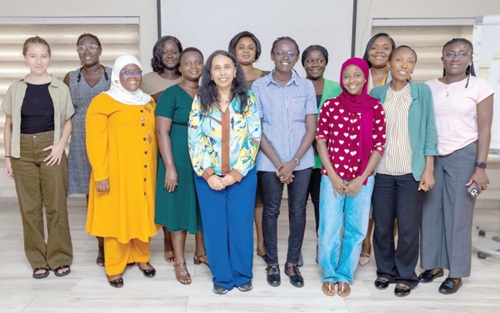
Female journalists have been urged to make deliberate safety arrangements before embarking on assignments, including travelling light and securing alternative means of transport, to avoid being stranded in potentially unsafe situations.
The recommendations formed part of lessons shared at a three-day Safety, Resilience and Leadership Training organised by DW Akademie for female journalists from selected media houses.
The training, funded by the German Federal Ministry for Economic Cooperation and Development (BMZ), was facilitated by an international journalist and media safety expert, Abeer Saady.
It sought to equip participants with practical skills to identify hazards, assess their exposure to risks and develop strategies to protect themselves while carrying out their professional responsibilities.
The three-day engagement also sought to strengthen the safety awareness, resilience and leadership capacity of female journalists while promoting a more supportive working environment for women in the media industry.
Participants were encouraged to make adequate preparations before setting out for assignments, particularly when travelling to unfamiliar locations or covering potentially sensitive stories.
Among the practical recommendations was the need to travel light and carry only essential items to ensure easy movement, especially in situations where a journalist might need to leave an unsafe environment quickly.
The importance of making alternative transport arrangements was also highlighted to prevent journalists from being stranded when their initial means of transportation became unavailable or unsafe.
The lessons underscored the need for female journalists to anticipate possible challenges and have contingency plans rather than waiting for emergencies before considering their safety.
Understanding individual risks
Another key lesson from the training was that a journalist's professional visibility, gender, assignments and public profile could influence the nature of safety threats they encountered.
“Your profile can change your risk,” Ms Saady said, emphasising the need for journalists to understand how their professional identities and the nature of their work could expose them to different levels of danger.
Participants also examined online harassment, gender-based threats, intimidation and psychological risks that could affect female journalists both in and outside the newsroom.
Through group discussions, practical exercises and brainstorming sessions, they identified hazards associated with journalism practice and explored ways of preventing or responding to them.
Building resilience and leadership
The training further addressed the importance of psychological resilience and leadership in helping female journalists navigate the challenges of the profession.
Participants explored ways of managing stress, responding to intimidation and harassment, building confidence and supporting colleagues facing safety-related challenges.
The programme also highlighted the need for safer newsroom environments and stronger institutional support to enable female journalists to perform their duties without fear of intimidation, discrimination or abuse.
