
The Chair of the African Group of Negotiators (AGN) on Climate Change, Dr Antwi-Boasiako Amoah, has called for a strategic and united African approach to international climate negotiations to ensure that global decisions do not constrain the continent’s development aspirations.
He said Africa’s climate negotiations must reflect the realities of a continent bearing some of the most severe impacts of climate change despite contributing the least to the problem.
“We must be resilient in pursuing the common interest of Africa in and outside the rooms. We must understand these emerging dynamics, anticipate their implications and ensure that international decisions do not constrain Africa's legitimate development aspirations,” he said.
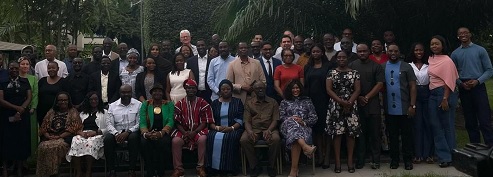
Dr Amoah made the call in Accra at the opening of the second AGN Strategy Meeting for 2026.
Climate meeting
The three-day meeting brought together climate negotiators representing various African countries to deliberate on the theme; “This high-level strategic meeting, themed;
“Reflecting on SB64 Outcomes and Strengthening Africa's Strategy for COP31.”
The meeting was to review outcomes from the Bonn climate talks, identify opportunities and risks for Africa, strengthen coordination among African negotiators, and agree on strategic priorities and negotiating guidance ahead of 31st Conference of the Parties (COP31) in Antalya, Türkiye, while developing an action plan to advance Africa’s interests and prepare for COP32.
Realities
Dr Amoah said climate negotiations were no longer simply about “text, paragraphs or procedural decisions,” but were directly connected to the lives of Africans, national economies and the continent’s development prospects.
He iterated that African farmers were facing increasingly unpredictable rainfall, while communities were experiencing drought, flooding and coastal erosion.
He added that young Africans were also seeking decent livelihoods in a changing global economy as countries pursued sustainable development amid growing climate impacts.
“Our negotiating positions must continue to reflect these realities,” he stated.
Complex landscape
Dr Amoah said the international climate landscape was becoming increasingly complex, with climate negotiations intersecting with trade, energy, critical minerals, industrialisation, technology, finance, peace and security and development.
“Our approach as Africa within the UNFCCC process must move beyond business as usual,” he said, urging negotiators to be more strategic in both substance and process.
He said the AGN needed to understand emerging global dynamics, anticipate their implications and remain resilient in pursuing Africa’s common interests both within and outside negotiation rooms.
African unity
The Chair further stressed the importance of African unity, saying the continent’s strength in negotiations had always been its ability to speak with one voice despite differences in national circumstances and perspectives.
He said the meeting would also develop an actionable COP31 Action Matrix outlining responsibilities, timelines and expected deliverables.
Dr Amoah added that preparations must look beyond COP31, as Africa would host COP32 in Addis Ababa in 2027, providing an opportunity to strengthen African leadership in the global climate process.
