
The country recorded about 2,100 deaths associated with antimicrobial resistance (AMR) in 2019, the Deputy Head of National Food Safety Laboratory of the Veterinary Services Directorate (VSD), Dr Benjamin Kissi Sasu, has said.
He called for effective collaboration among stakeholders in the agriculture and food value chains to promote responsible antimicrobial use and protect public health.
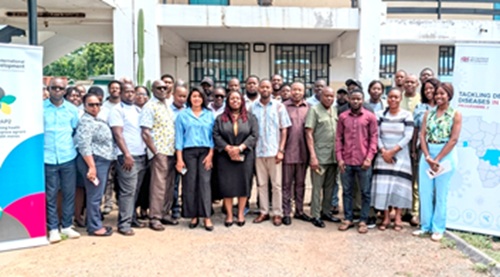
Dr Sasu was speaking at a stakeholder meeting organised by the Veterinary Service Department to present findings from a field assessment of antimicrobial resistance in the Greater Accra Region.
The assessment involved engaging farmers and collecting samples to determine the prevalence of antimicrobial resistance along the country's food production chain.
Participants included regional and district fisheries officers, the Fish Health Unit of the Fisheries Commission, representatives of the Ghana Fish Farmers Association, the Ministry of Fisheries and Aquaculture, the Food and Drugs Authority (FDA), the Environmental Protection Agency (EPA) and local government authorities.
The Palladium Group supported the programme, which formed part of activities marking the World Antimicrobial Awareness Month.
AMR bacteria
Dr Sasu said antimicrobial resistance occurred when disease-causing microorganisms developed the ability to withstand medicines that were previously effective in killing them or stopping their growth.
The situation was of particular concern to the VSD because animal products such as fish, meat, milk and honey formed part of people's daily diets, making food safety critical in the fight against AMR.
Dr Sasu cautioned that the improper use of antibiotics in animal production could result in antibiotic residues in food products, potentially exposing consumers to medicines intended for treating infections.
He noted that some active ingredients used in medicines for humans were also used in animals, although their formulations could differ.
Dr Sasu further warned that farm waste could contaminate the environment and expose people to disease-causing organisms through polluted water, flooding and other forms of environmental contact.
Farm practices
Dr Sasu observed that some farmers in the Greater Accra Region did not consistently observe proper biosecurity measures on their farms.
Although some adopted the practices at certain times, compliance was not sustained, while others relied on advice from fellow farmers rather than seeking professional veterinary assistance when their animals became sick.
The assessment also identified instances where farmers handled animal illnesses and deaths without consulting veterinary officers.
The exercise also covered fish farms to examine possible sources of contamination, including water quality, farming practices and waste discharged from the facilities.
Global threat
Citing global projections, Dr Sasu said the World Health Organisation (WHO), the World Organisation for Animal Health (WOAH) and the Food and Agriculture Organisation (FAO) had warned that antimicrobial resistance could cause about 10 million deaths annually worldwide by 2050 if adequate measures were not taken.
More than 25 per cent of the projected deaths were expected to occur in Africa.
Palladium interventions
In a separate interview, the Country Lead of the Palladium Group Ghana, Dr Esther Odame-Asiedu, said the UK government-funded Tackling Deadly Diseases in Africa Programme II was supporting efforts to strengthen Ghana's response to antimicrobial resistance.
The programme was being implemented in Ghana, Kenya, Uganda, Malawi and Zambia, with interventions targeting stakeholders across the health sectors.
Dr Odame-Asiedu explained that the initiative worked with government ministries and agencies, the private sector and civil society organisations to build the capacity of farmers, clinicians and laboratory personnel.
She clarified that the two regions were selected because established Farmer Field Schools were available to facilitate the training, and not because they had recorded higher levels of antimicrobial use.
