
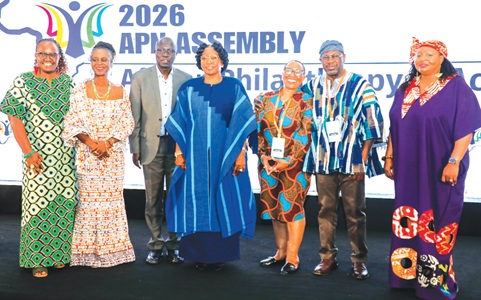
African-led non-governmental organisations (NGOs) engaged in philanthropic work have been urged to take greater control of the resources and decisions shaping the continent’s development, with a call for reduced dependence on foreign funding and stronger locally driven solutions.
The call was made at the opening of the 2026 African Philanthropy Network (APN) Assembly in Accra, where participants stressed the need for African organisations and communities to lead in mobilising resources, setting development priorities and shaping the future of philanthropy on the continent.
The assembly, held on the theme: “African Philanthropy in Action: Adapt, Advance and Amplify”, sought to strengthen African-led philanthropic institutions and promote collaboration among civil society, government, business and other stakeholders to address the continent’s development challenges.
The Board Chair of the APN, Abraham Tanko Amidu, said African organisations must move beyond seeking representation in global philanthropic decision-making spaces to exercising greater influence over how development priorities were determined and resources allocated.
He said the continent needed to challenge existing power structures in philanthropy and ensure that African communities and organisations had a stronger voice in decisions affecting them.
Ghana’s independence struggle
Mr Amidu drew parallels between African philanthropy and Ghana’s independence struggle, which he said demonstrated the ability of ordinary citizens to mobilise resources in support of a common cause.
He said the spirit of mutual assistance, solidarity and collective sacrifice that characterised such efforts remained central to African philanthropy and should guide contemporary development initiatives.
He urged African philanthropic organisations to reflect on who owned, funded and directed the continent’s development, particularly at a time when traditional multilateral development financing arrangements were under pressure.
Mr Amidu said the objective should not simply be to secure a “seat at the table” in global philanthropy but to have the power to shape the table and determine the terms of engagement.
He called for stronger partnerships among African-led organisations and closer alignment between philanthropy and the broader “Shift the Power” movement, which advocated greater local control over development resources and decisions.
The APN comprises more than 275 African-led and founded institutions and foundations across the continent and the diaspora.
The Executive Director of the International Development Economic Association (IDEA) and Guest Speaker, Charles Abugure, called for stronger collaboration among civil society organisations, government, businesses and other stakeholders, based on equality, inclusiveness and integrity.
He said African philanthropy had gained greater visibility through efforts to define and document its distinctive practices, creating opportunities for dialogue between African organisations and their counterparts in the Global North.
He said while some African foundations adopted institutional models similar to those in the West, their work could also focus on influencing public policy and strengthening institutions rather than solely providing immediate relief.
However, he stressed the importance of national ownership and clear policy direction in determining how external organisations operated within countries.
Africa must harness its resources
The Co-founder of the World Women Development Foundation, Erelu Bisi Adeleye, said Africa needed to take a more strategic position in the global philanthropic landscape amid geopolitical instability, threats to women’s rights and changes in international development financing.
She said the weakening of multilateral institutions and shifts in global political and economic relations presented challenges for development organisations, particularly those working to protect the rights and dignity of vulnerable populations.
