
A study has revealed that 2,172 cases of defilement were filed in court between 2020 and 2025, with 886 still pending.
The report of the study by the Foundation for Security and Development in Africa (FOSDA) showed that out of the 1,286 cases concluded during the period, the average time taken to dispose of a case was 329.1 days.
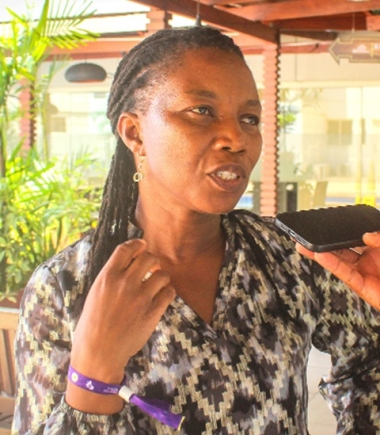
The Executive Director of FOSDA, Theodora Williams Anti, said the figures underscored the need for timely and accessible justice for survivors of sexual violence, particularly women and girls.
“These figures remind us that protection must be accompanied by timely and accessible justice,” she said at a stakeholder validation workshop on the evaluation of Ghana’s second National Action Plan on Women, Peace and Security (GHANAP II) in Accra last Tuesday.
The evaluation assessed progress made under GHANAP II, which covered the period from 2020 to 2025 and identified achievements as well as gaps in implementing the Women, Peace and Security (WPS) agenda.
Progress in gender equality
Mrs Anti said the country had made progress in strengthening the legal, policy and institutional framework for advancing women’s rights, peace and security.
She cited the passage of the Affirmative Action (Gender Equity) Act, 2024, the development of the National Gender Policy for 2025–2034 and the introduction of gender-related policies within the security sector as important developments.
She also mentioned efforts towards ratifying the African Union Convention on Ending Violence Against Women and Girls as part of broader initiatives to strengthen protection for women and girls.
According to her, there had been improvements in women’s representation in some public institutions and governing boards.
Stronger implementation
However, Mrs Anti said the progress recorded needed to be matched with stronger implementation, adequate funding and effective accountability mechanisms to ensure that commitments under GHANAP II translated into tangible results.
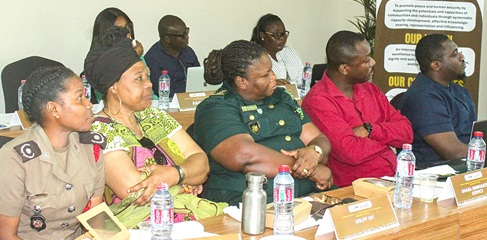
The stakeholders meeting. Picture: ERNEST KODZI
She said FOSDA’s monitoring showed that implementation remained uneven across the activities assessed.
Out of 46 activities under the plan, she noted that three had been fully implemented, 24 were partly implemented, 11 had recorded limited progress, while eight had not been implemented.
She explained that the figures were indicative assessments based on documented progress and should not be treated as a definitive implementation rate.
Mrs Anti expressed concern about the lack of dedicated budgetary allocations for GHANAP II, saying activities had largely depended on donor support or been incorporated into other programmes of the institutions responsible for implementation.
She said the absence of specific budget lines made it difficult to guarantee sustained implementation and called for stronger domestic financing of the women, peace and security agenda.
On support for survivors of violence, she acknowledged the establishment of initiatives such as the Orange Support Centre, market response centres and specialised court services.
However, she said access to shelters and psychosocial support remained limited outside the Greater Accra Region.
Canada’s commitment
The Senior Programme Liaison Officer at the High Commission of Canada, Bertha Desmennu, said the evaluation provided an important opportunity to assess progress under GHANAP II, identify outstanding challenges and draw lessons to inform the country’s next action plan.
She said Canada remained committed to advancing the women, peace and security agenda in Ghana through its support for civil society organisations, including FOSDA and partnerships with Ghanaian institutions.
