
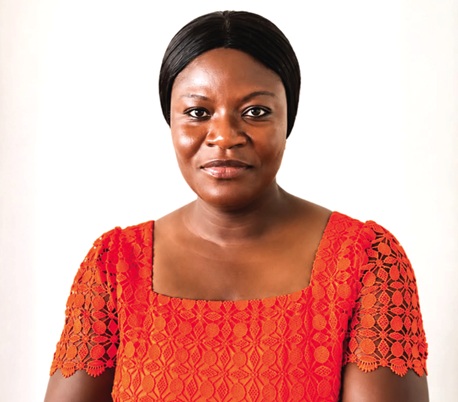
The Gender Centre for Empowering Development (GenCED) has called on the government, state institutions, political parties, civil society, the media and the public to move beyond expressions of concern and take concrete action to end violence against women and girls.
The call was made at the launch of its "Justice Without Impunity" campaign to mark the 2026 16 Days of Activism Against Gender-Based Violence, which runs from November 25, the International Day for the Elimination of Violence Against Women, to December 10, Human Rights Day.
This year's global theme is "UNiTE to End Violence Against Women and Girls: Ensure justice, protect survivors, end impunity."
In a statement signed by its Executive Director, Esther Tawiah, GenCED said ending violence required effective institutions, accessible justice, survivor-centred responses and accountability for perpetrators, not just public awareness.
GenCED described violence against women as a violation of human rights, dignity and equality, and a governance concern.
It takes many forms, including physical and sexual violence, psychological abuse, economic control, harassment, intimidation and technology-facilitated abuse, in homes, workplaces, schools, communities and digital spaces.
It said the consequences were particularly worrying when violence was used to silence women who challenged discrimination, defended human rights or sought leadership.
"Women should not have to choose between their safety and their right to speak, lead, organise or participate in public decision-making," the statement said.
Access to justice
GenCED said reporting violence should be the beginning of a pathway to protection, not another struggle. Survivors often face stigma, victim-blaming, financial barriers, fear of retaliation and uncertainty about where to seek help.
It called for accessible, survivor-centred systems, with institutions having the capacity, resources and coordination to provide legal assistance, psychosocial support, health services and reliable referral pathways, while ensuring due process.
Ending impunity
"Public condemnation alone cannot end gender-based violence," the statement said, urging government institutions and law enforcement agencies to investigate complaints properly and handle cases professionally and without undue delay.
Political parties, employers, educational institutions and community leaders were urged to enforce measures against harassment, abuse and intimidation, including safe reporting channels and appropriate consequences for proven misconduct.
The media was reminded to report without exposing survivors to further harm or sensationalising abuse, and to place responsibility on perpetrators.
Call to collective action
GenCED invited citizens, especially young people, to reject violence and challenge harmful attitudes, and urged civil society organisations and women human rights defenders to keep advocating protection and accountability.
It said the success of the 16 Days should be measured not by the number of events or statements, but by whether survivors could access justice more effectively and women could participate in public life with greater safety.
"No woman or girl should be forced to endure violence in silence, and no perpetrator should be shielded from lawful accountability because of status, influence or power," the statement said.
