

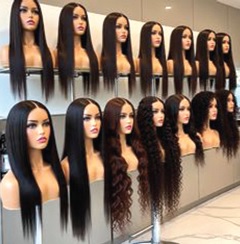
The growing popularity of second-hand and rental wigs among women seeking affordable alternatives to buying new ones could expose users to scalp infections if the wigs are not properly cleaned and disinfected, a dermatologist, Dr Franklin Osei-Wusu, has cautioned.
According to the dermatologist, who works with Eden Clinic at Adenta, wearing a wig previously used by another person without proper hygiene could facilitate the spread of fungal infections, lice and other scalp conditions.
Dr Osei-Wusu, who spoke to The Mirror last Thursday, said the concern was not with second-hand or rental wigs themselves, but with how they were handled between users.
“Wigs can come into contact with sweat, oils, skin cells and microorganisms from the scalp. If a wig is transferred from one person to another without proper cleaning, there is a possibility of transferring infections as well,” he said.
He advised women who bought second-hand wigs or rented them for special occasions to ensure that the wigs had been properly cleaned and disinfected before use.

Dr Osei-Wusu said women should not assume that a wig was safe simply because it looked clean.
“A wig can look perfectly fine and still carry microorganisms. Cleaning is therefore not just about making the wig look good; it is also about reducing the risk of infection,” he said.
He also discouraged the sharing of wigs, saying users might not know the health implications of wearing items that had been in contact with another person’s scalp.
Watch the scalp
The dermatologist said symptoms such as persistent itching, redness, scaling, sores, unusual hair loss or bumps on the scalp should not be ignored.
He urged anyone experiencing such symptoms after wearing a shared or second-hand wig to stop using it and seek medical attention if the problem persisted.
He also advised wig users to keep their scalps clean and dry and avoid wearing wigs for excessively long periods, particularly when sweating heavily.
“People sometimes focus so much on the appearance of the hair that they forget the condition of the scalp underneath. The scalp also needs care,” he noted.
Consumers
For some women, however, the affordability of thrifted and rental wigs makes them an attractive option.
A 28-year-old office worker who identified herself as Akosua said renting wigs had allowed her to change her appearance for weddings and other social events without having to buy a new wig each time.
“I cannot afford to buy a different wig for every occasion, so renting makes sense for me. But I never really thought about whether the wig had been properly disinfected before I wore it,” he said.
Another customer, 25-year-old Theresa Serwaa Twum, said although she had never purchased a second-hand wig, she had borrowed one from a friend before.
“I took it to a wedding and returned it, but honestly, I didn’t do any proper cleaning to it. Maybe that is why I started getting dandruff,” she said.
Dr Osei-Wusu advised consumers to ask questions about how wigs were cleaned, disinfected and stored between users.
He stressed that affordability should not come at the expense of scalp health.
“The goal is not to discourage women from buying second-hand wigs or using rental services. The important thing is to make hygiene part of the conversation,” he said.
The trend
In recent times, second-hand and rental wigs have gained popularity among Ghanaian and Nigerian women, particularly as conversations around affordable beauty and hair care have become more common on social media.
TikTok, Instagram and other platforms have helped bring attention to businesses offering pre-owned wigs and rental services, with some sellers showcasing affordable wigs and customers sharing their experiences.
The trend has also been driven by the rising cost of wigs and other hair extensions.
For women who want to change hairstyles frequently or need a particular look for weddings, parties, photoshoots and other occasions, renting or buying a second-hand wigs can be a cheaper option than purchasing a new one.
Like any business, some wig dealers have established protocols for washing, drying, styling and sanitising wigs before they are sold or rented to another customer. However, hygiene practices are not necessarily the same across the industry.
Some people engaged in the business told The Mirror in telephone interviews that the sale and rental of wigs were their source of livelihood and that they had identified a target market for their services.
