

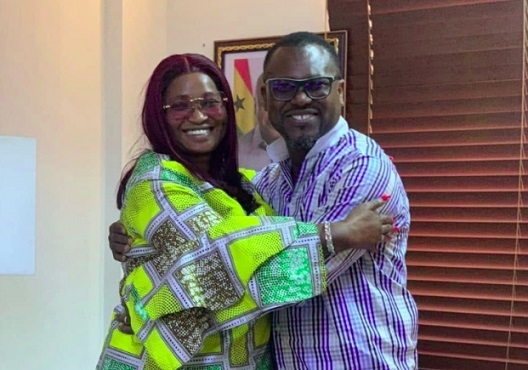
At a time when Ghana should be marshalling every resource to make its December tourism season a commercial triumph, the Ghana Tourism Authority (GTA) is battling a deeply unhelpful spectacle: a public disagreement between its two most prominent executives.
Deputy Chief Executive, Gilbert Abeiku Aggrey, popularly known as Abeiku Santana, has complained of difficulties securing timely consultations with the organisation’s Chief Executive, Maame Efua Houadjeto, to the Tourism Minister. The chief executive, however, disputes his account and has proposed measures to improve coordination. Their letters may concern administrative procedure, but their public circulation projects an institution struggling to speak with one voice.
This is profoundly disappointing. When President John Dramani Mahama appointed these personalities, expectations were understandably high. Both brought exposure to the creative, entertainment and tourism ecosystem, entrepreneurial energy and networks capable of injecting fresh thinking into a vital public institution. Their combined experience should be an asset to Ghana, not a source of debilitating rivalry.
Tourism is not simply about festivals, hospitality and colourful promotional campaigns. It supports aviation, accommodation, restaurants, transport, the creative arts and thousands of livelihoods. Done properly, it can attract foreign exchange, stimulate local enterprise and deepen Ghana's international appeal. That promise demands a vibrant GTA whose leaders can coordinate decisions, inspire industry confidence and deliver consistently.
The timing makes the disagreement especially troubling. December in GH and the whole Black Star Experience offer some of the country's most commercially significant tourism windows. Operators, promoters, investors and visitors need assurance that marketing, event partnerships, approvals and destination promotion will proceed without administrative friction. Leadership uncertainty at this stage is an avoidable commercial risk.
Neither executive should be condemned simply for putting concerns in writing. A deputy must have reasonable access to decisions; a CEO must retain the authority and discipline to manage competing demands. Yet professionalism requires both to subordinate personal grievances, wounded pride and public point-scoring to the national interest.
The reputational consequences of this public disagreement must not be underestimated. The GTA is far more than an institution headed by two executives; it is a critical custodian of Ghana’s tourism ambitions and international image. Persistent tensions at the top risk eroding confidence among tourism operators, investors, development partners and other stakeholders whose collaboration is essential to unlocking the sector’s enormous economic potential.
The GTA cannot afford a divided leadership at such a critical moment. Its executives need not agree on everything, but they must demonstrate the professionalism and collective responsibility required to pursue a common vision. Ghana’s tourism industry has too much at stake for personal differences, bruised egos and avoidable internal tensions to distract from the urgent business of delivering results. (Related article 'Surprised and disappointed' GTA CEO Maame Efua Houadjeto responds to Abeiku Santana's petition)
The GTA Board and Tourism Minister Abla Dzifa Gomashie must intervene decisively, not cosmetically. The CEO's proposed coordination measures offer a practical starting point.
Ghana cannot market itself as a welcoming, world-class destination while its tourism leadership appears consumed by an internal cold war. The test now is not who wins the argument. It is whether both can put ego aside, restore trust and deliver results the country can measure.
